Hungary’s Media Overhaul: An Apology on a Black Screen
July 8, 2026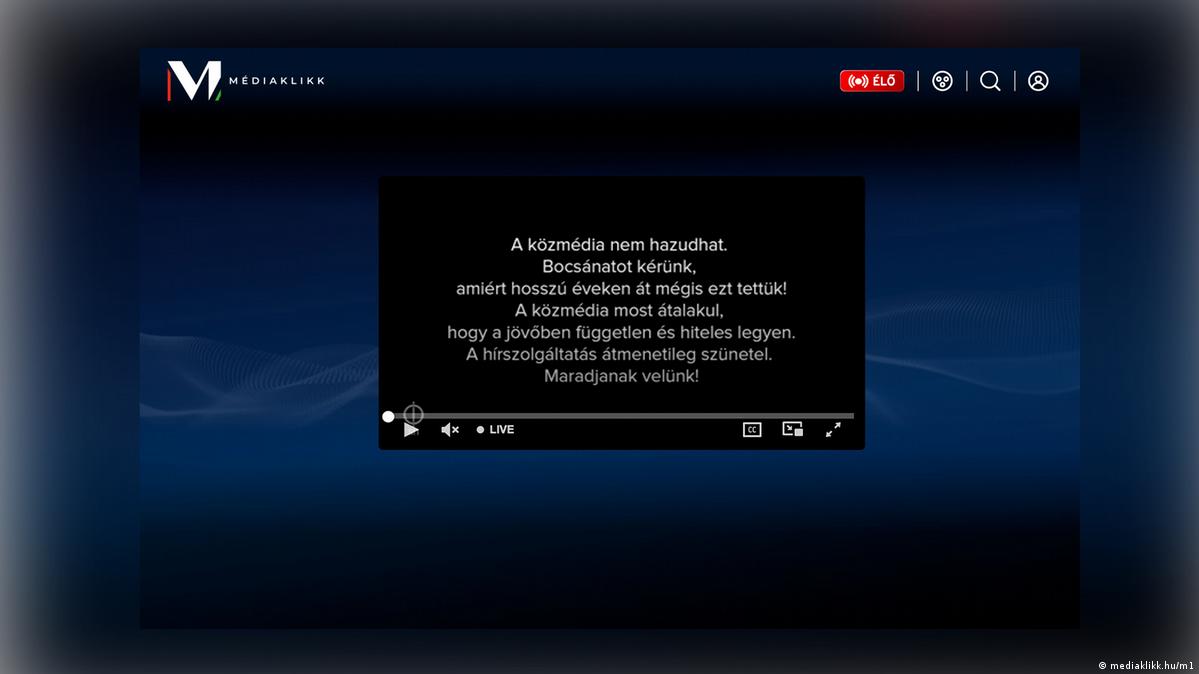
A Propaganda Legacy
Hungary’s history under Viktor Orbán’s regime is marred by the extensive disinformation propagated by public media. While other European nations grapple with their own media challenges, nothing compares to the scale of propaganda witnessed here. This is a reflection of the government’s strategy to control the narrative around key issues, effectively stifling dissent and alternative viewpoints.
The messaging at the time bore a striking resemblance to the fascist narratives of the early 20th century, with broadcasts that echoed extremist and antisemitic themes. Comparisons to Russian state-controlled media are equally unsettling—both peddled falsehoods and baseless allegations, from fabricating crimes committed by immigrants to defaming philanthropic figures with Jewish backgrounds. The chilling effect of such propaganda on public discourse cannot be overstated, creating a climate of fear and mistrust.
Notable instances included inflammatory claims against migrants and opposition political figures, famously depicted as threats to Hungary’s identity and values. This tactic not only undermined journalistic integrity but also contributed to societal polarization, making dialogue nearly impossible.1 2
Turning Point
This shift on July 7, 2026, marks a significant departure from the past. When viewers tuned in at 4 p.m., they were met with a black screen that relayed a stark confession: “Public media should not lie. We are sorry for doing it for so long,” signaling a new beginning that many hope will restore some semblance of integrity.
This moment mirrored pivotal political changes in Hungary, resonating with the 1956 anti-communist revolutions. This connection is not purely symbolic; it suggests a yearning for democratic reforms in a society increasingly aware of the importance of free press. Interestingly, four hours later, M1 resumed broadcasting, precisely at 7:56 p.m., a symbolic nod to that anti-Soviet uprising that the nation vividly remembers.
Actions Speak Louder
The post-reform landscape is unfolding, characterized by an ambitious overhaul that promises to restore credibility to public service media, long absent during Orbán's rule. M1’s former leadership has been replaced, making way for a new era that aims to elevate journalism standards and ethical reporting.
But will these changes hold? The transitional director's recent appointments hint at an effort to integrate diverse perspectives, including voices from independent journalism circles into the media framework. This inclusiveness may pave the way for a more balanced representation of news, but it also raises questions about the long-term sustainability of these efforts amid a still-volatile political climate.
Promise vs. Reality
Peter Magyar's commitment to reform was a key promise during his election campaign, one he was quick to embrace post-victory. His harsh criticisms of the previous media management reflected public sentiments and the urgent demand for accountability and integrity within the media. However, skepticism remains regarding the extent of these changes. Are they merely window dressing?
Although optimistic about the future, independent journalists are cautiously hopeful, pushing for meaningful reform engagement. If you're working in this space, be aware of the lingering skepticism from many quarters. The direction Hungary's media will take hinges on how well the current government involves various stakeholders in this fragile transition. The stakes are uncommonly high—there’s much left to navigate, and time will tell if this media reform can withstand the very pressures that forged its predecessor.
Implications of the Media Overhaul
This significant media overhaul carries weighty implications not just for Hungary but for the wider European media environment. The state of Hungary's media serves as a litmus test for the health of democracy in the region. If reforms under Peter Magyar genuinely restore journalistic integrity, they could inspire similar movements in neighboring countries grappling with their own media crises. The ripple effect of a successful transformation could lead to a resurgence of independent media across Europe, challenging authoritarian tendencies.
Conversely, if these changes falter and fail to take root, it could signal a bleak future for press freedom in the region. Authoritarian regimes may feel emboldened to further suppress dissent through media manipulation, thereby straining the already fragile democratic norms in neighboring states. In many ways, Hungary's media reform is more than just a national issue; it’s a barometer for the state of free press in Europe moving forward.