The Romanov dynasty, which governed Russia for over three centuries until its fall in 1917, has oddly resurfaced in Philippine political discussions, particularly among the Duterte family. This reference serves dual purposes — acting as both a warning to adversaries and a narrative of victimhood for the family.
The Irony of the Romanov References
The irony here is palpable. In one instance, the Romanovs become a grim lesson on the fate of leaders unable to maintain their grasp on power. Leaders who ignore the signs of political discontent often meet a disastrous end, much like the Romanovs did with the Bolshevik Revolution. In another, they symbolize alleged conspiracies against the very family invoking them, highlighting how political rhetoric can twist historical lessons to fit personal narratives.
The Duterte Political Context
A notable example arose in January 2024 during a prayer rally in Davao City, where Mayor Baste Duterte invoked the Romanovs while addressing President Ferdinand Marcos Jr. This commentary came at a time when many were questioning the governance style adopted by Marcos, suggesting that a reassessment of leadership strategies was in order. Baste urged Marcos to reflect on the tragic downfall of the Romanovs and other dictators. With political instability lingering in the air, such comparisons resonate deeply.
“Before you go to bed, think of the Romanovs, Benito Mussolini and his wife, and what happened to the Marcoses in 1986,” Baste emphasized, suggesting that losing public support can lead to dire consequences. This invocation isn't just about history; it's also about the dynamic of power and how quickly fortunes can turn. It reflects a political strategy that seeks to consolidate support by warning against complacency in governance.
Shift in Narrative: Impeachment Trials
Fast forward about two years, and the narrative shifted again as the Romanovs reappeared in discussions surrounding Vice President Sara Duterte’s impeachment trial. This time, they were associated with an alleged plot against her during the proceedings. The invocation of historical figures such as the Romanovs takes on a new dimension when personal survival and political warfare are at stake.
Mark Vinluan, a defense attorney for Duterte, claimed during the trial on July 8 that his client’s bombastic November remarks about the Marcoses were a reaction to threats aimed at her family. The Vice President had made fervent comments during a Zoom meeting, threatening violence against the Marcoses if her life were cut short. This declaration illustrated how history loops back into the present—Machiavellian tactics come into play when the stakes are high, as leaders evoke the specter of past tragedies to navigate present crises.
This shocking pronouncement ultimately became one of the charges leading to her impeachment. The defense argued that her response, though unconventional, was justified. Vinluan maintained she was reacting to threats of ‘Operation Romanov,’ an alleged scheme designed to eliminate her and her family. Incidents like these blur the lines between reality and rhetoric, challenging the public's perception of truth in political discourse.
The Reliability of Claims
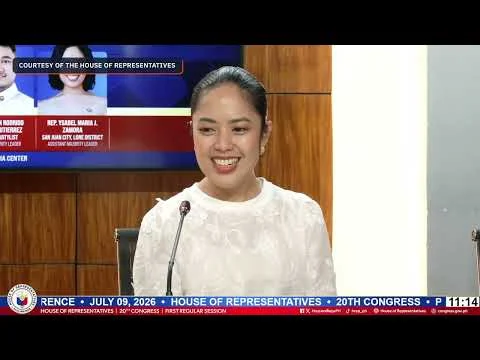
The defense, however, has yet to substantiate claims regarding such an operation, and public prosecutor Bel Zamora has dismissed these allegations as unfounded fabrications. This aspect is essential: in political battles, especially in volatile environments like the Philippines, the line between truth and manipulation can become obscured. The fact that such claims can be made in a courtroom without substantial evidence only exacerbates the climate of distrust.
Understanding the Romanov Legacy
The Romanov dynasty began in the early 1600s, establishing itself during a turbulent time in Russian history. It culminated with Czar Nicholas II, whose reign was marked by significant challenges, including social unrest and military defeats that ultimately led to the dynasty's demise. Such a legacy provides a cautionary tale for modern leaders who may feel invincible in their positions.
After widespread protests and the loss of military allegiance, Nicholas II stepped down in 1917, marking the end of the Romanovs' reign. Subsequent to the Bolshevik takeover, the entire royal family, including Nicholas and his immediate family, were executed in Yekaterinburg in July 1918. The swift downfall of such a historically significant dynasty serves as a reminder of how quickly power can shift and how leaders must remain attuned to public sentiment.
Implications for Philippine Politics
This interplay of historical reference and political strategy says a lot about the current climate in the Philippines. Invoking the Romanovs serves as a warning not just to adversaries but also as a rallying cry for supporters. For the Duterte family, it’s about creating a narrative where they’re the victims of historical conspiracies, perpetually operating under threat.
If you're working in this space, the engagement with history shows the lengths to which political figures will go to maintain their influence. It highlights the fragility of power and how quickly public opinion can turn—a theme resonant in both the historical context of the Romanovs and the modern political dynamics of the Philippines. As such, those studying this evolving narrative should keep a close eye on how history informs politics, often leading to unexpected implications.