How do Germans cope with having Nazi grandparents?
July 9, 2026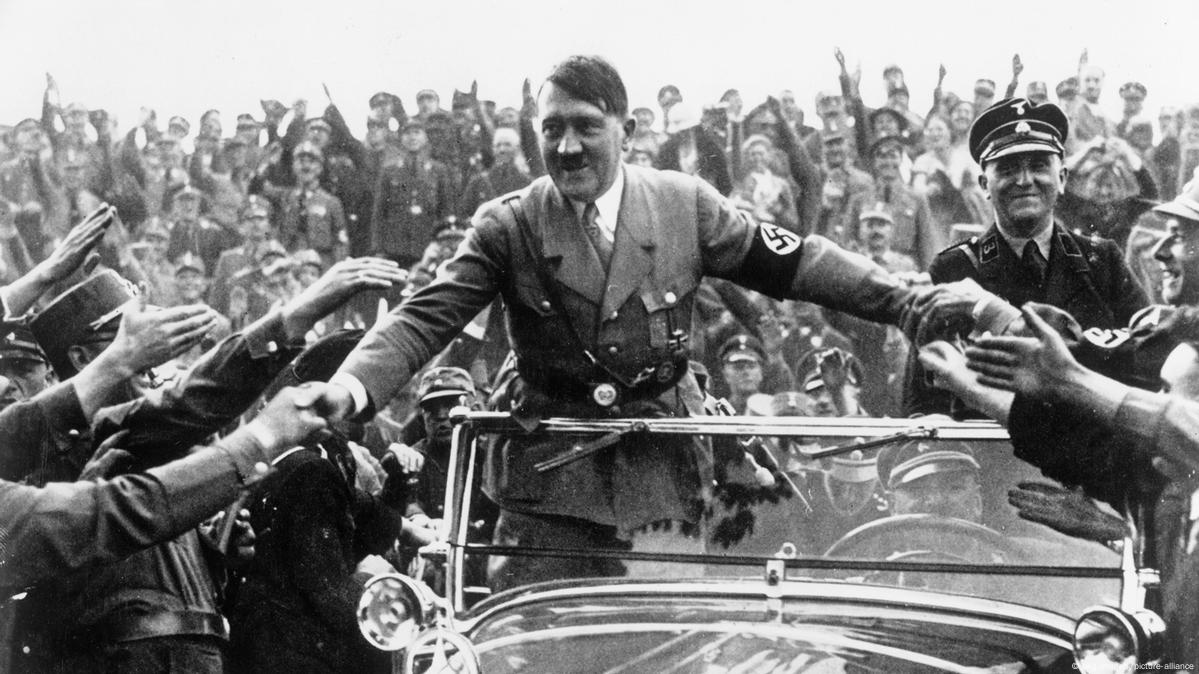
Revelations about the past can be unsettling. Many Germans are now grappling with the shocking truth that their grandparents, once believed to be innocent bystanders, may have been implicated in a horrific regime. Hanno Dannenfeldt's personal ordeal encapsulates this national reckoning. "I always thought my grandfather was a left-wing unionist. Now I find him listed among NSDAP members," he shared with DW, illustrating the bitter irony that beneath loving family memories often lies a history of complicity.
The recent release of National Socialist German Workers' Party (NSDAP) membership records by the National Archives of the United States has sparked a wave of interest among Germans searching for their family histories. It's a worthwhile endeavor, yet the task often proves frustrating. With the online platform frequently overwhelmed by users, accessing such pivotal documents can feel like navigating a labyrinth.
A Handy Resource for Uncovering History
The search has been made more manageable thanks to a new tool developed by the German magazine Die Zeit. Users can easily input a name, along with birth details, to promptly access records. This feature may also appeal to those in South America, where many Nazi officials fled post-war. However, it's important to note that a subscription is necessary for this service.
The findings can be extreme and deeply challenging. Confronting a beloved family figure with unflattering truths forces a painful reevaluation of identity and legacy. For many, the jovial grandparent they adored is now shadowed by the stark realization that they were part of a regime responsible for profound atrocities.
Historically, many families chose silence after WWII, avoiding discussions about their connections to Nazi ideology. A study suggests that over two-thirds of Germans believe their forebears were not Nazis, while nearly 36% view their ancestors as victims. Simultaneously, over 30% think their relatives aided victims, such as through hiding Jews. This collective denial doesn't hold when faced with stark evidence: merely 1% of Germans actively opposed the regime, while about 20% were members of the Nazi Party, supporting its heinous agenda.
Confronting the Myths of Innocence
Post-war Germany was a nation in denial. With the rubble of war all around, the populace yearned to forget. Hitler’s fate ended his reign, leaving many to distance themselves from accountability. However, when lesser figures faced justice, society began to question their own narratives. Cultural studies scholar Aleida Assmann pointed out the widespread belief that only the high-ranking officials were culpable, allowing the general populace to exonerate themselves.
As trials against doctors, industrialists, and civil servants commenced, the sight of familiar faces on trial prompted a wave of resistance. Christian Staas, a historian, recalls how the public sentiment shifted from accountability to denial, asserting that "these were good, honorable people," instead of admitting complicity. For many Germans, the Holocaust and its atrocities remained distant, as they convinced themselves they were unaware of such horrors.
Compounding this issue was a denazification process where Germans, including those who had been forced into the Nazis for survival, filled out extensive questionnaires regarding their party affiliations. Many employed dubious justifications for their membership, with some even calling the forms “Persil certificates,” named after the cleansing detergent, signaling a desperate attempt to wash away guilt.
While the reconstruction of post-war Germany was vital, crucial conversations about the past lingered unaddressed until the next generation emerged, ready to demand answers.
A Reckoning of the Generations
This reckoning crystallized in the late 1960s during a wave of activism. The moment Beate Klarsfeld slapped Chancellor Kurt Georg Kiesinger, who previously held a significant position in the NSDAP, echoed a broader societal shift that could no longer ignore the uncomfortable truths of their past. Klarsfeld’s declaration of "Nazi, Nazi!" wasn’t just a personal attack but a rallying cry for many ready to confront a legacy intertwined with horror and complicity. The silence was breaking, and the stories of the past could no longer be buried.