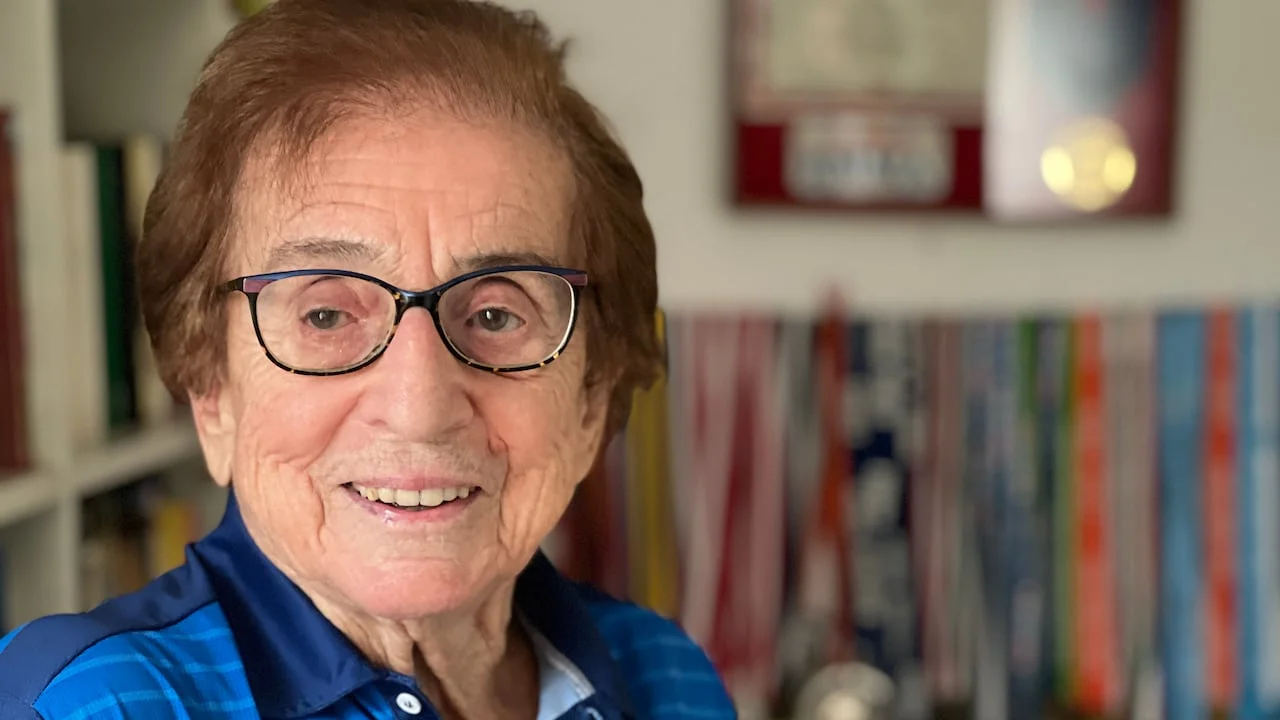
Sally Greenwald champions sexual wellness as essential to overall health, engaging influential women in Silicon Valley to enhance their well-being and longevity.
Redefining Sexual Wellness in Silicon Valley
Sally Greenwald, often hailed as the most sought-after gynecologist in Silicon Valley, has turned traditional notions of women's health on their head with a bold and simple ethos: “Sexual health is health.” Her unique approach has attracted a diverse clientele of influential women, eager to enhance their sexual well-being and, by extension, their overall quality of life.
Recently, Greenwald attended a private luncheon hosted by Gisel Kordestani, a tech entrepreneur and philanthropist, at her luxurious residence in Atherton, California—a hub for some of the nation’s wealthiest individuals. The event, aimed at a select audience of accomplished women navigating the complexities of health and aging, offered a glimpse into the intersection of femininity, power, and personal care in one of the world’s most innovative regions.
The luncheon drew an impressive crowd, despite the absence of some guests like Nicole Lacob, a prominent figure linked to the Warriors' philanthropic efforts who had flown to Paris for a fashion show. The attendees, successful women in their late thirties to mid-fifties, seemed remarkably united by a shared frustration; they sought solutions beyond standard medical advice. Their collective ambition was palpable—these women were past the “fake it till you make it” stage; they wanted tangible improvements in their lives.
Greenwald, a dynamic presence with a straightforward demeanor, eagerly engaged her audience, encouraging questions and discussions. Sporting a flamboyant outfit and energetic ponytail, she seamlessly integrated into the social fabric of these high-achieving individuals. Her understanding of the local culture, which emphasizes an obsession with optimization, resonated deeply with her patients. For Greenwald, the term "healthmaxxing" encapsulates a pursuit of continuous self-improvement—a sentiment reflected in her patients' desires to not merely manage health but enhance it dramatically.
What sets Greenwald apart from her counterparts in the biohacking community is her emphasis on sexual well-being as a cornerstone of longevity. Her pioneering practice, planted firmly on the Stanford campus, reveals the often-ignored connection between sexual health and overall wellness. Unlike many doctors focused on extending lifespan, Greenwald champions the concept of “sexspan,” stressing that a fulfilling sexual life can lead to healthier aging. This perspective is particularly significant given the tendency of mainstream medical narratives to overlook female-specific health data, a gap she is determined to bridge.
In her pursuit of this bold vision, Greenwald utilizes cutting-edge hormone therapies among other tactics and counsels patients on how to cultivate more fulfilling sexual experiences. Her unorthodox methods include lighthearted initiatives like “Fuck-It February,” encouraging women to prioritize sexual enjoyment, regardless of the month’s brevity. That's not without its costs—patients can expect to pay tens of thousands of dollars each year to be part of her practice, with long waitlists affirming her growing reputation.
There’s an undeniable buzz surrounding her, as reflected by a recent seven-figure advance she received for her upcoming book, drawing interest from figures like Sheryl Sandberg who described Greenwald as a fearless advocate for addressing topics many shy away from. Yet the playful moniker she crafted for her practice, the "Billionaires’ Vagina Club," failed to resonate with all her clientele—a testament to the sensitive nature of branding in a space where discretion is often a priority.
This moment in time reflects a shifting paradigm in women’s health dialogues; these accomplished individuals are tired of conventional care that doesn’t address their unique challenges, especially those related to menopause and aging. During the luncheon, the discussions took an animated turn as they voiced their exasperations with “disease chaser” doctors. Kordestani’s voice echoed this sentiment when she pointedly remarked that she craved a more progressive approach to health.
In tackling perimenopause, Greenwald’s mission goes further than mere management; she aims for solutions that keep women feeling actively engaged in their lives. Remarkably, she manages to tailor her treatments even for elite athletes, synchronizing hormone cycles for optimal performance. “Fortysomething women can be badass,” she stated, underlining the complex realities they face amid corporate responsibilities and family dynamics.
Greenwald remains optimistic about using hormone therapy to empower her patients, adamant that the prevailing skepticism around its effectiveness will one day crumble under new research. Her enthusiasm is infectious, yet she remains acutely aware of the speculative side of her practice—navigating the fine line between solid scientific grounding and the more anecdotal "woo-woo" territory inherent in concierge medicine.
What this means for women seeking a trajectory that values both health and happiness is profound. As patients become increasingly disenchanted with traditional medical models, pioneers like Greenwald are ready to offer new pathways that align health with personal empowerment. The real question is whether the wider medical community will embrace or resist these necessary shifts in perspective on women’s health.Rethinking Menopause and Sexual Health
The conversation surrounding menopause and women’s sexual health appears to be gaining traction at last, but it’s still often seen as taboo. A recent gathering ignited discussions about topics like egg freezing for young women as a proactive measure. A woman shared that some of her friends fund egg freezing for their daughters as graduation gifts, a practice Greenwald found fascinating. She emphasized, though, that while research indicates most women under thirty-seven who freeze their eggs don’t use them, there’s value in the awareness and options available.
But here's where it gets complicated: the medical community's approach to menopause has historically been sluggish at best. In November, the FDA lifted its harsh black box warning against hormone replacement therapy (HRT), which could signal change. Coupled with Melinda French Gates’ recent announcement of a $200 million initiative for menopause research, we might finally see a shift. It’s not just that HRT provides symptomatic relief; studies have begun to show correlations between regular sexual activity and improved overall health. For many women, sexual satisfaction isn't just an afterthought; it’s integral to their well-being.
The Communication Gap in Healthcare
Greenwald articulated something that many women feel but often remain silent about—the disconnect between their health needs and what healthcare providers prioritize. During a discussion about hormone-monitoring apps, Greenwald expressed frustration with existing technologies, describing them as unreliable. Her call for better solutions, especially catered toward teenage girls, highlights the need for innovation in this space. After all, if hormone health were prioritized, women wouldn’t have to search for solutions among their friends, as I did when seeking adequate treatment for my menopause symptoms.
Women like me have often relied on word-of-mouth recommendations rather than outright medical advice. After I shared my hormone regimen with friends, they were initially frustrated by their physicians’ lack of guidance. If you find yourself in this space, you know the struggle: insufficient information leads to missed opportunities for treatment. Health care professionals should normalize conversations around menopause and sexual health as part of ongoing care rather than treating them as outliers.
The emotional and physical toll of menopause can create a rift in relationships. Research from the 2024 General Social Survey indicated that about two-thirds of married adults engage in sex less than once a week. But research also suggests that a healthier sex life can lead to better health outcomes, creating a feedback loop: good sex promotes enhanced well-being, while strong relationships contribute to longevity.
Greenwald wants women to think beyond mere survival in their intimate lives. She actively encourages women to redefine their experiences, emphasizing that sex can—and should—remain fulfilling throughout various life stages. It’s not just about sex but about maintaining relational intimacy and physical health.
One of her many emphases is on action-oriented attitudes; she advocates for what she terms "efficient sex." This counters the inhibitions that many women face regarding time constraints and emotional pressures. The notion that you need to be in the “right frame of mind” can often be a barrier. Her approach? Embrace the quick encounters that can yield health benefits, even if they don’t feel inherently romantic at the moment.
Transforming Sexuality Perspectives
While many women grapple with decreased libido during menopause, Greenwald proposes a proactive stance. With the right encouragement and techniques, the sparks can reignite, transforming a perceived chore into a pathway to renewed intimacy. That “pass it on” ethos encapsulates her practice, where sharing knowledge becomes part of the healing.
Ultimately, this shift toward prioritizing women's sexual health underlines a larger narrative: the necessity of being proactive about our own health. If you’re finding these conversations unfolding, consider this a cue to engage more deeply with your needs and advocate for your care. The groundwork is laid; now it’s about encouraging the dialogues that keep menopause and sexual health front and center.Medical Care Needs a Rethink
As we wrap up this exploration of Dr. Greenwald's transformative approach to women's health, it's obvious that the existing medical model isn’t working for many. The gap between average care and boutique practices is alarming, highlighting a systemic issue where quality health becomes a luxury rather than a right. In Greenwald’s case, she recognized a broken system and chose to respond by founding a concierge gynecology practice. This model, while not accessible to everyone, allows her to spend quality time with each patient, something traditional practices, constrained by time and bureaucracy, often fail to offer.
The quick fifteen-minute appointment slots that typical gynecologists operate under—five minutes each for exams, consultations, and paperwork—create a hurried environment that stifles meaningful doctor-patient relationships. In a world where complexity is the norm, Greenwald's extended visits—sometimes lasting up to two hours—allow for genuine dialogue, something desperately needed in today’s fast-paced medical landscape. Here’s the thing: when care is contingent upon ability to pay, it only perpetuates inequities in healthcare, maintaining a status quo that overlooks essential patient needs.
Reframing Patient Engagement
Greenwald's strategies reflect a profound understanding of human connection, especially in the context of intimacy. By coaching couples to initiate conversations about their needs and desires in a low-pressure way, she helps shift the dynamic in relationships. Instead of the monumental question of “Do you want me?”, a simple, “Do you have five minutes?” becomes a gateway to intimacy. This reframing doesn't just apply to sexual relationships; it's a reminder that small steps can lead to larger changes in any area of life.
But it goes beyond just communication. She encourages her patients to narrate their experiences, replacing chaotic inner dialogues with a more focused, sensual mindset. This psychological nudging can be transformative, especially for women inundated with the stresses of daily life. The subtle shift from mundane thoughts—“Did I pack the right snacks for the kids?”—to more intimate awareness can pave the way for more fulfilling encounters.
Looking Ahead
The implications of Greenwald’s work extend beyond individual wellness; they hint at a need for reform in how we perceive healthcare as a whole. Her focus on intimacy, well-being, and patient-centered care raises potent questions: What if this personalized approach became the norm? It’s paramount we consider the lessons here. If our health systems can pivot toward more customized and attentive models, we could see shifts in everything from mental wellness to relationship satisfaction.
In the end, Greenwald represents a new breed of practitioner—one who prioritizes connection, context, and comprehensive care over the transactional nature of typical healthcare. For anyone navigating the complexities of health today, her approach serves as both inspiration and a call to rethink how we advocate for ourselves and each other in a system that too often relegates personal touch to the sidelines.