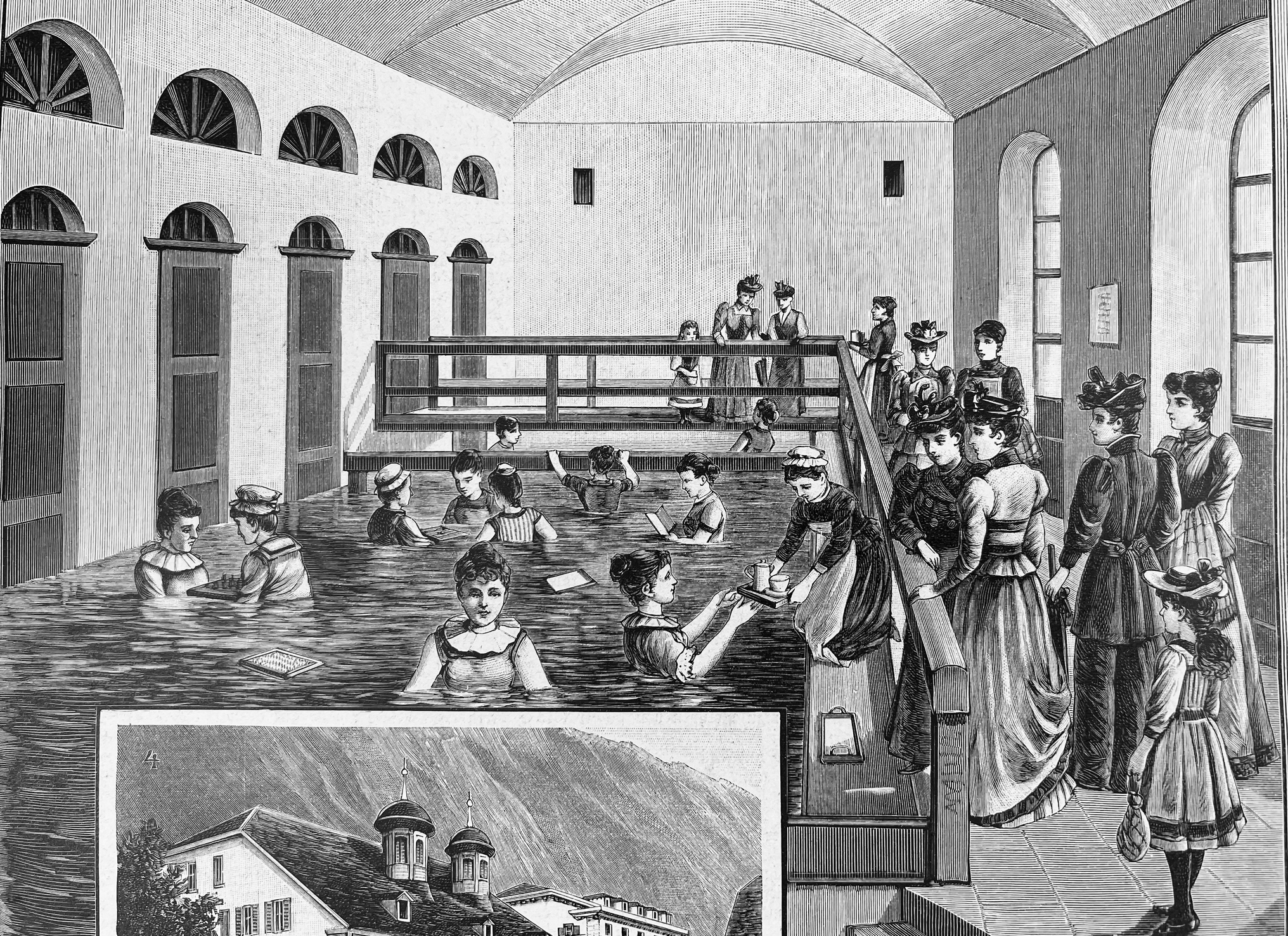
For many today, summer signifies a reprieve filled with backyard barbecues, beach excursions, and family reunions. Yet, looking back to the 18th and 19th centuries, the summer experience took on a distinctly different form centered around the ritual of "taking the waters". Wealthy individuals flocked to spa towns such as Harrogate in England and Karlsbad in Germany, seeking not just leisure but a regimen focused on health under the guidance of medical practitioners.
This commitment to spa culture among the upper echelons of society was pervasive. Astrid Köhler, a spa scholar, emphasizes that it wasn't merely a luxury but a fundamental summer endeavor. Social activities in cities dwindled during this period, as the elite exchanged urban life for the tranquil absorbance of therapeutic waters. Köhler notes, “Everyone is busy, going to the spas,” indicating the cultural standing that these retreats held.
A Day in the Life of a Spa Visitor
Mornings in these spa towns began early, often at 6 a.m. Visitors would make their way to the pump room, where the locally sourced healing waters were available. The experience of drinking these waters was crucial; prescribed by a doctor, the number of glasses varied, and the anticipation for the waters’ effects often led guests to discuss their experiences with fellow visitors.
Sophie Vasset, a scholar specializing in 18th-century medical practices, points out that it wasn’t just about relief from ailments. The mineral-rich waters, often pungent and salty, served a dual purpose of detoxification and social interaction. There was a clear awareness among patrons regarding restroom locations, as the effects could be quite immediate and sometimes urgent.
Once the ceremonial drinking concluded, visitors spent their time leisurely strolling through beautifully landscaped promenades or parks, engaging in conversations, and mingling with others. The ambiance of camaraderie extended well beyond the initial health rituals, setting a scene of engagement and relaxation.
Leisure Activities in Spa Culture
Beyond the health-focused activities, spa towns offered an array of entertainment options. Along with health treatments, establishments featured theaters, reading rooms, and casinos, contributing significantly to their attractiveness. Köhler describes the architectural grandeur of these spas as over-the-top for their small-town settings, creating a striking juxtaposition that enhanced their allure.
While those with serious medical needs engaged in rigorous health treatments, such as mineral baths or wraps for detoxification, the social fabric of these spa gatherings saw many indulge in card games, concerts, and casual conversations. The artistic and cultural experiences in these settings played a key role in attracting visitors.
Decline of Spa Culture
As the 19th century progressed, the scientific landscape evolved, casting doubt on the medical legitimacy of spa treatments. Water chemistry, previously associated with various health benefits, came under scrutiny. Vasset highlights that while certain mineral waters were thought to combat conditions ranging from joint pain to respiratory issues, scientific validation did not always align with traditional beliefs.
The NHS's establishment in the U.K. in 1948 marked a decisive shift in how health treatments were viewed, with water therapies being excluded from state-funded health programs due to a lack of substantiated efficacy. The subsequent decline of summer spas in Britain reflects a broader societal change, where the traditional norms of social retreat began to unravel. Conversely, France maintained a level of commitment to the spa culture, with certain treatments still being reimbursed through its medical system.
Modern Parallels to Spa Culture
Today’s wellness retreats might evoke memories of spa traditions, albeit with distinct differences. Köhler draws a connection between these contemporary retreats and historical spa culture, suggesting that, while modern practices emphasize individual self-care and optimization, 19th-century spas thrived on collective sociability. “Pleasant company was essential,” she states, reflecting on the broader social goals of the time.
This aspect of shared experience resonates through both eras — whether addressing conditions deemed too complex for standard medical solutions, such as tuberculosis back then or issues like burnout today. Köhler suggests that both past and present institutions serve as essential havens for those grappling with ailments that evade conventional medicine.
The historical significance of spa towns serves as a reminder of how shared experiences can contribute to wellness, transcending time and reinforcing the importance of social interaction in health. As we consider our modern approaches to well-being, it may be time to reassess the role of community engagement in personal health journeys.