What’s a sex doll doing at the heart of German political residence? That's the conversation starter surrounding Alexandra Bircken's striking bronze sculpture, "Eva." This eye-catching piece mimics the torso of a Japanese sex doll and poses in a way that undeniably attracts attention, particularly on social media. The provocative nature of this piece isn’t just about aesthetics; it forces viewers to confront uncomfortable questions about bodily autonomy, societal norms, and the intersections of femininity and political power.
A Unique Artistic Showcase
Located within the confines of Bellevue Palace, traditionally reserved for state affairs, this sculpture is part of a contemporary art exhibition aptly titled "Freiraum Kunst" (Art as Free Space), which will run from June 13-28. This two-week pop-up event marks a turning point for the venue, as Bellevue Palace is set for an extensive renovation, closing its doors for the next eight years. Given that the palace rarely opens to the public, this exhibition represents a rare opportunity for engagement with a site often shrouded in political exclusivity.
Art and Democracy: A Critical Nexus
German President Frank-Walter Steinmeier, during a preview of the exhibition, emphasized the importance of artistic expression, stating, "A democracy without free art loses its capacity for self-criticism, and art without freedom loses its social relevance." This sentiment resonates strongly in a political climate where art is often viewed as a reflection and critique of power. In essence, art acts as a canary in the coal mine; it can reveal both societal frailties and encourage dialogue when vocal dissent is stifled.
Embodying Freedom and Critique
With an array of works that include video installations, photography, and traditional painting, the exhibition seeks to provoke meaningful discussions surrounding democracy, representation, and power dynamics in public life. In Germany, the freedom of art, enshrined within the constitution, remains one of the vital safeguards of a democratic society. The linkage between creative freedom and democratic vitality is more than theoretical; it breathes life into the ethos of social critique, challenging those in power.
Upon entering the palace, visitors encounter the word "Freiraum" ("free space") emblazoned on the roof of the building as a bold reminder of the exhibition's core message about artistic freedom. This is where you'll find the pulse of the exhibition. Echoing through the foyer is artist Jochen Gerz's performance piece from 1972, "Rufen bis zur Erschöpfung" (To Call Until Exhaustion), which highlights the frustration of unheeded voices in a democratic society. It’s a striking counterpoint to modern political stagnation, emphasizing the urgency of ensuring all voices are heard.
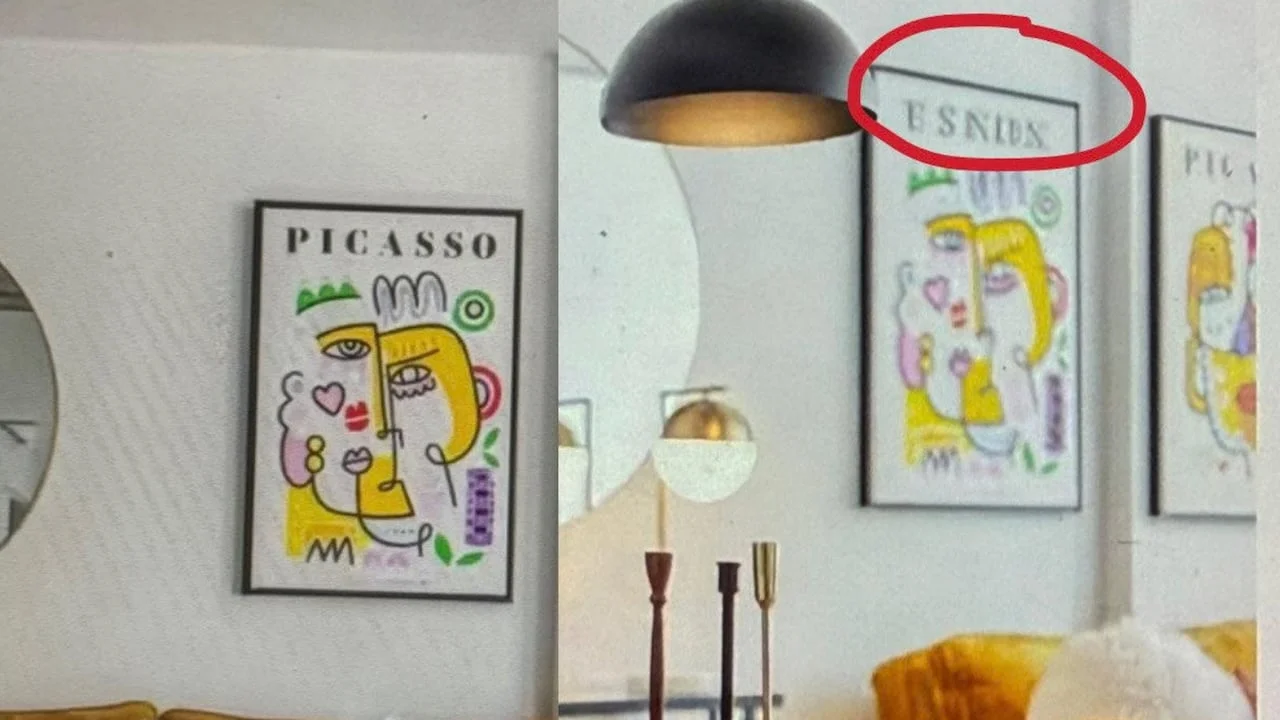
Among the myriad artworks is a piece by street artist El Bocho that envisions a female German president, titled "Die Bundespräsidentin" (The Female President). This piece, alongside Bircken's "Eva," effectively questions gender representation, identity, and the societal portrayal of femininity within a political sphere. Here’s the thing: while these artworks may seem avant-garde, they actually serve as a mirror to ongoing debates regarding gender in leadership and societal expectations. They resonate on multiple levels, from personal identity to public perception.
Other notable contributors include prominent artists like Katharina Grosse and Wolfgang Tillmans, who add layered depth to the exhibition’s narrative. The juxtaposition of provocative themes against the backdrop of a formal governmental setting raises significant questions about how society perceives and controls representations of the body. Often, such representations challenge norms and provoke discomfort, which is crucial for societal progress.
A Rare Public Engagement
The historic Bellevue Palace, which has served as Germany's presidential residence since 1994, doesn't usually open its doors to the public. As such, this exhibition represents a unique opportunity for visitors to explore the premises before its extended closure. Already, the demand has been significant, with the allocation of 35,000 free tickets entirely claimed within hours of release. This rush underscores a public yearning to engage with political spaces in ways that go beyond traditional political discourse — a desire for more perceptive connections with the institutions that govern them.
Implications and Future Outlook
This event not only showcases artistic talent but also underlines the ongoing discourse surrounding freedom of expression, the role of art in societal critique, and the intersections of power and gender in the public sphere. What this means for you, especially if you're working in this space, is that conversations about value, ethics, and representation in the arts are more urgent now than ever. The exhibition encourages us to view art not merely as passive decoration but as a vital force behind socio-political change.
As Bellevue Palace prepares for its renovation, the artworks displayed will linger in public discourse long after the exhibition ends. They’ll likely influence how future generations approach both art and government, reminding us all that the intersections of creativity and policy are not just relevant; they're necessary. And this is the part most people overlook: the idea that art in political spaces can shift perspectives, urging all of us to question and reformulate our views on representation, power, and identity.