Is there anything GLP-1 agonist drugs cannot do?
June 11, 2026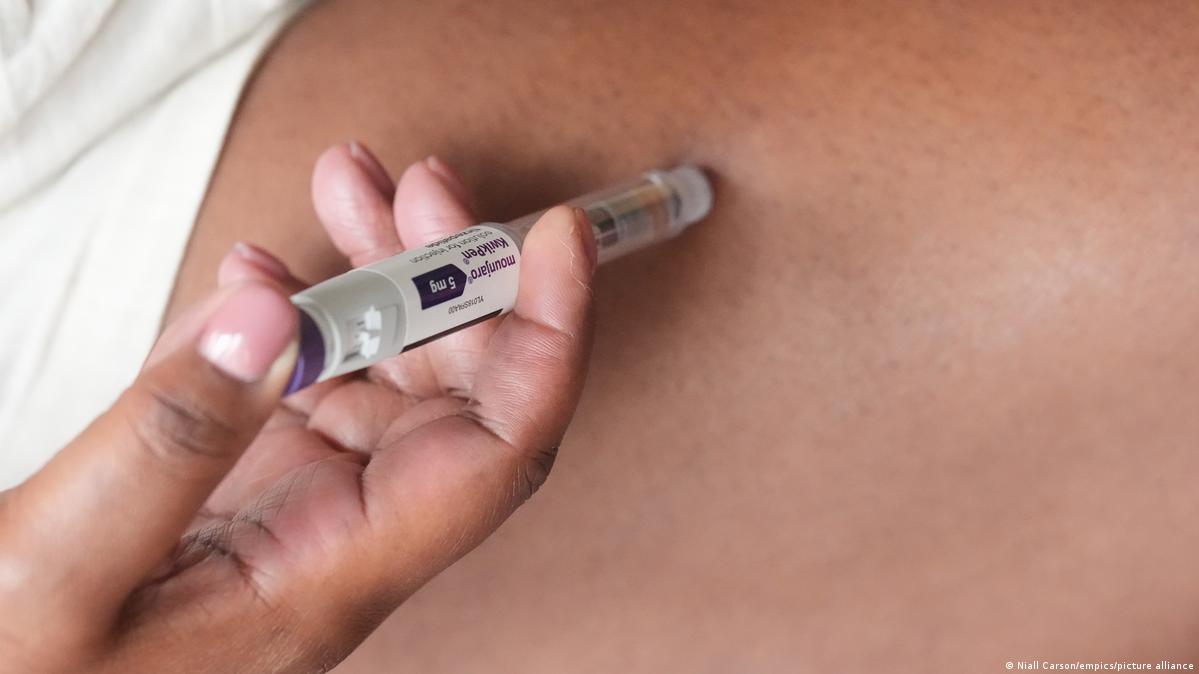
The scope of GLP-1 agonists, like Ozempic and Mounjaro, seems boundless. Initially aimed at managing type 2 diabetes, these medications are now touted for numerous applications, including weight loss, combating addiction, and more. Their ability to mitigate a variety of health issues raises a fundamental question: just how many more conditions can these drugs address?
Unpacking Drug Repurposing
This burgeoning trend, known as drug repurposing, is more than a mere marketing strategy; it's a lifeline during health crises. Repurposing existing medications can be a quicker, cheaper alternative to developing new drugs from scratch—an approach seen as more humane and practical, especially in emergencies. Such a methodology not only conserves resources but also capitalizes on already established safety data.
Consider the experience with COVID-19 and established drugs like dexamethasone. Once viewed primarily as a treatment for various conditions—such as asthma and specific cancers—dexamethasone emerged as a vital tool in treating COVID patients, reportedly saving around 22,000 lives in the UK alone. The speed at which it was integrated into treatment regimens highlights the critical importance of adaptive strategies in healthcare.
Baricitinib similarly transitioned from a treatment for severe rheumatoid arthritis to a management option for inflammation associated with COVID-19. This adaptability points toward how existing remedies can swiftly adapt to new health challenges.
Yet, while we celebrate these successes, it's essential to proceed with caution. The sudden surge in GLP-1 agonists’ popularity could inadvertently overshadow potential risks if not meticulously monitored.
Proceed with Caution
As appealing as the benefits of GLP-1 agonists may seem, consulting a healthcare professional is paramount before considering these drugs for unapproved conditions. The evolving status of these medications can result in unforeseen side effects, and the full scope of their effects won’t be comprehended overnight. The urgency for complete safety assessments is greater than ever.
Interestingly, the health benefits of these drugs extend far beyond weight loss. When tackling obesity and addiction, they can also reduce the risk of developing type 2 diabetes while relieving strain on critical organs. This interconnectedness exemplifies how lifestyle factors correlate with broader health outcomes, emphasizing a need for comprehensive patient assessments.
This responsibility extends to healthcare providers, who must navigate this rapidly changing terrain carefully. Given the intricate interplay among body systems, the ramifications of administering any single drug could have cascading effects. Often, these ripple effects remain obscure until much later.
The Broader Picture of Repurposing in Medicine
The history of drug repurposing offers a rich tapestry of examples. Take raloxifene, initially designed for osteoporosis treatment, which has shown promise in decreasing breast cancer risk among high-risk women, thus highlighting a dual application. These shifts in therapeutic strategy prompt important questions about how drugs can serve multifaceted roles within a patient's treatment plan.
We also can’t overlook the story of Viagra, originally intended to address cardiovascular issues but reinvented to treat erectile dysfunction. Such remarkable transformations showcase our ongoing quest to harness the potential of existing medications to address a wide array of conditions—sometimes with remarkable success.
Historical Context and Future Implications
In reflecting on the history of pharmaceuticals, it's easy to become overly enthusiastic about new drug applications. Yet, this excitement must be tempered by a vigilant awareness of potential side effects. The dangers of embracing medication without due caution can lead to severe repercussions. The rise in popularity of GLP-1s invites scrutiny that goes beyond their immediate benefits.
While the promise of GLP-1 agonists is indeed impressive, thorough evaluations of their safety and efficacy are indispensable. As the medical community engages in these inquiries, it is incumbent on all stakeholders—patients, providers, and regulators alike—to remain vigilant. Only through careful monitoring will we manage to balance the enthusiasm for new treatments with the need for a responsible approach to healthcare.
Edited by: Jakov Leon