US-Iran deal: When will oil prices fall?
June 15, 2026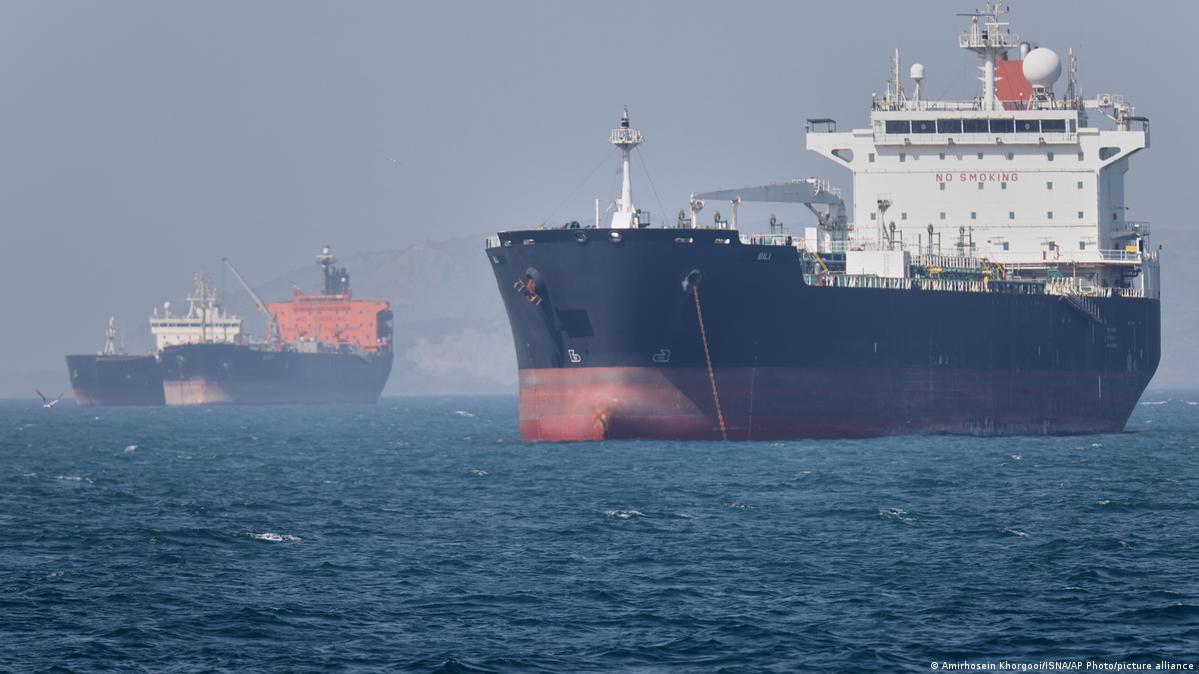
The United States and Iran announced on Sunday that they had struck a preliminary agreement to end their war, raising hopes for an end to the energy crisis that has gripped countries worldwide since the conflict began.
"Ships of the World, start your engines. Let the oil flow!" President Donald Trump wrote in a social media post hailing the US-Iran agreement.
The deal would reopen the Strait of Hormuz once both sides formally sign the accord on Friday.
The narrow waterway is a crucial route for global energy trade, handling about a fifth of the world's oil and natural gas in normal times.
Tehran has effectively shut shipping through the strait since the onset of the conflict on February 28, 2026, causing one of the largest global oil-supply disruptions in history.
At the time, many anticipated prices to jump from around $72 (€62) a barrel on February 27 to as high as $150 to $200.
In the end, the price increase was more moderate and a barrel of oil peaked at around $120 soon after the conflict started before going back down.
After the US-Iran peace deal was announced over the weekend, the price dropped further.
Demand destruction kept prices in check
Increased supply from the US and other non-Gulf sources, decreased Chinese demand, the coordinated release of strategic reserves and market optimism that the conflict would end soon helped keep the price rise in check.
For instance, in April and May, US crude oil exports surged to over five million barrels a day, rising from a historical average of about four million, according to the Wall Street Journal.
Simultaneously, China has curtailed its crude oil imports significantly, opting to rely on its existing inventories and strategic reserves.
Fereidun Fesharaki, an industry expert with FGE NexantECA, stated in a recent Bloomberg interview that the market's reaction to the energy shock has largely been driven by demand destruction.
China, the largest importer of crude oil, has seen its imports drop by approximately four million barrels per day.
Emma Li, a leading oil market analyst at Vortexa, noted that China began tapping into its substantial domestic stores in May to counteract the disruptions from the Middle East, rather than purchasing oil on the spot market.
This shift in buying behavior significantly alleviated pressure on immediate crude prices, she explained in a research note at the end of May.
Global oil inventories are falling fast
China's actions reflect a broader trend, as many countries are depleting their own oil reserves to offset the millions of barrels stranded in the Persian Gulf.
According to the US Energy Information Administration, oil inventories globally decreased at an alarming rate of 5.3 million barrels per day from March to May.
Experts are sounding the alarm over diminishing stock levels.
Jorge Leon, a former OPEC official now with Rystad Energy, cautioned, "Buffers are becoming thinner." He emphasized that while inventory releases and temporary workarounds provide short-term relief, they fall short of addressing a sustained disruption in the Strait of Hormuz flows. Leon suggested that if such disruptions persist, we could see oil prices soaring to $150 a barrel this summer.
Returning to normal will take months
The recent agreement between the US and Iran to reopen the Strait of Hormuz has sparked optimism about alleviating the supply crisis.
However, experts warn that even an implemented deal won't restore normal operations right away. They predict that full energy market recovery may take months, pointing out the need for critical security measures, including the removal of sea mines.
Reestablishing traffic in the strait, especially when hundreds of vessels are still stranded, is not a quick fix. There are numerous logistical issues to address, including where tankers currently are and the capacity of oil production and refining infrastructure.
"Even if passage is safe, significant delays remain due to the logistics of oil transport," stated Neil Shearing, chief economist at Capital Economics, emphasizing it could take until Q3 for around 80% of energy flows to resume.
Neil Crosby, head of research at Sparta Commodities, articulated that ensuring effective traffic again might take "eight weeks, perhaps even longer, contingent on the duration of each phase of reopening."
Restoring supplies will be a challenge
Beyond logistical challenges, the war has inflicted damage on energy facilities throughout the Persian Gulf.
Extensive repairs will be necessary before these facilities can effectively contribute to increased supply. Inspections and rebuilding can take significant time, complicating recovery efforts.
Additionally, some regional producers halted operations due to lack of storage, further hindering the path to recovery.
With all these hurdles, it will take a considerable interval for oil supplies and prices to find stability.
Nick Twidale, chief market strategist at ATFX Global in Sydney, framed it succinctly: "It's certainly going to be months rather than weeks before we see a return to normalcy."
Edited by: Tim Rooks