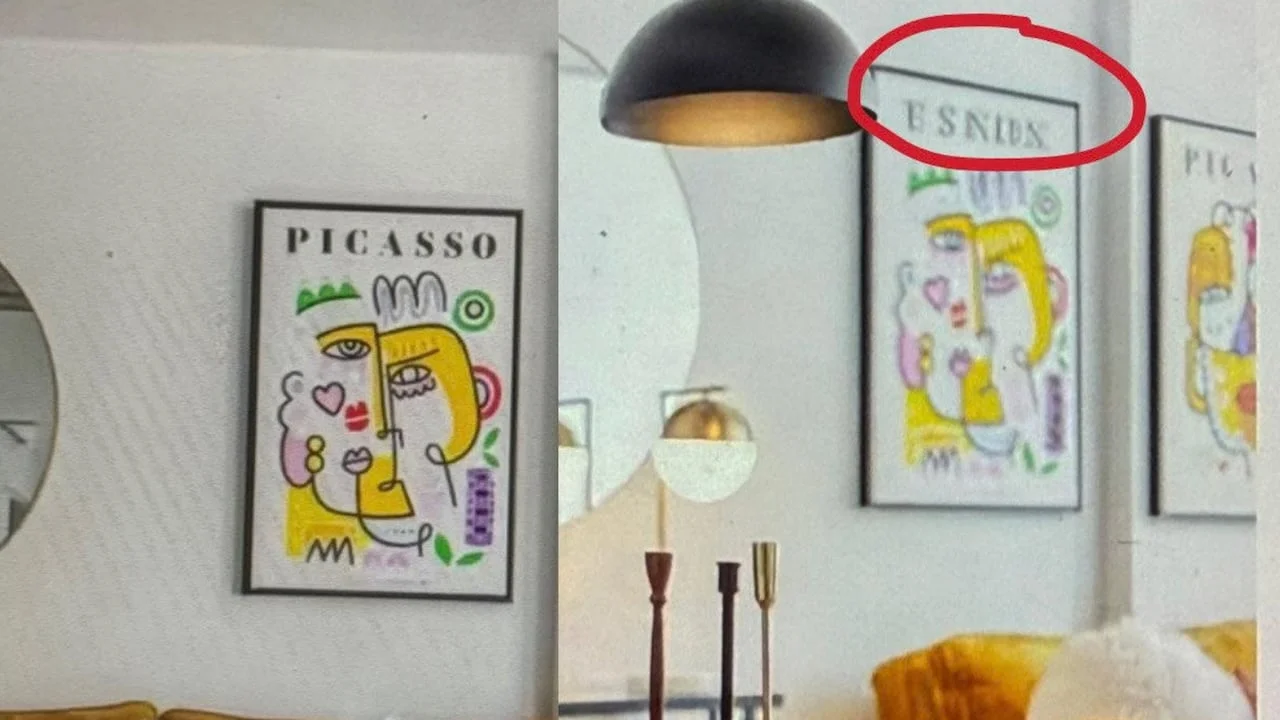
The World Cup amplifies AI-generated misinformation, posing challenges in identifying authentic content amid a surge of compelling digital fabrications.
AI-generated Fakes at the World Cup: A New Form of Misinformation
In the backdrop of a global event like the World Cup, the surge in AI-generated content isn’t just amusing; it poses a real threat to our understanding of what's authentic. We've seen increasingly believable images popping up on social media, with the power to mislead millions. These digital fabrications aren't mere jokes; they blend deeply into the fabric of current events, making the stakes much higher.
Consider this: a viral image featuring a Germany fan resembling Adolf Hitler. When fact-checkers from DW's team investigated, they swiftly debunked it, clarifying that the image was manipulated; no such person existed at the match amid all the cheering fans. This isn't just an isolated incident—some digital fakes easily catch our eye, while others might slip right past our scrutiny. The result? We face a constant challenge to discern the genuine from the fabricated.
The Role of Social Media in Amplifying Deepfakes
Henry Ajder, a noted authority on deepfakes and AI manipulation, pointed out the unique climate of the World Cup. "It's an event that draws billions globally, cutting across diverse political landscapes," he remarked. "This makes it an ideal breeding ground for the spread of deepfakes." If you’re navigating this digital space, these insights come with a warning: the potential for misinformation is rife.
What may look like harmless fun—like a quirky meme or a fake photo—could easily hold underlying political messages that spread quickly. DW Fact Check has scrutinized several examples of misleading images and provided tips on how to spot such fakes.
Dismantling the Iranian Protest Image
Take the case of an apparent protest during Iran's World Cup opener against New Zealand, supposedly featuring a player holding a pink backpack in tribute to the victims of a tragic incident involving school girls. The reality? This image is entirely fabricated.
In truth, no protest gesture took place during the match, and a thorough examination reveals that the player in the image isn't even part of Iran's World Cup squad. The actual stadium was completely different from what’s depicted in the viral photo. While genuine protests did occur during the game—some Iranian fans commemorating lives lost in a devastating incident—the fake image circulated online has no basis in reality.
In these chaotic times, we can't afford to be passive consumers of content. The proliferation of manipulated imagery raises significant questions about accountability and media literacy. Understanding the signs of digital forgery is essential in a world where appearances can be deceiving.The Digital Mirage at the World Cup
As the world tunes into major events like the FIFA World Cup, the potential for misinformation is in full swing. The prevalence of manipulated imagery—enabled by sophisticated AI technologies—shifts the narrative puzzle at sports gatherings. Take, for example, a photo involving Keir Starmer and his fellow football fans, where digitally altered jerseys have managed to capture attention, revealing deeper questions about authenticity in the social media era. It’s not just about the image—it’s what the image represents and how it can influence public perception.
AI detection tools like ZeroGPT indicate a substantial chance that many images we see being shared are not genuine, casting doubt on their credibility. The altered jerseys in Starmer's photo serve as a clear signal; they look off, and experts point to common traits of AI generation—blurriness, awkward proportions, and inconsistencies that a human touch would likely avoid.
This isn’t merely an issue of fans looking slightly different; it speaks to a broader challenge. Misinformation can take the form of entire fabricated events or ungrounded claims that spread virally, as evidenced in the case of political messaging shown by fans at World Cup venues. For instance, images purporting to depict fans crying out for political arrests are flagged as AI-generated, raising an important question: who controls the narratives that twist around iconic functions of camaraderie like sports?
The Ripple Effect of Fakes
The ramifications of these fakes extend beyond quirky social media posts. As AI-generated content becomes more accessible, the risk of it being computationally rendered into the public consciousness raises alarm bells. Deepfakes can exploit emotionally charged moments, tap into current events, and alter public sentiment almost instantaneously. It's the manipulation of significance—capitalizing on the fervor of passionate viewers to spin misleading narratives.
Experts caution that these visual provocations resonate deeply, playing into already heated global dialogues. "These kinds of moments are really activating and really visceral to audiences," notes Ajder, reminding us that while people are glued to the games, they should also remain vigilant about the online stories that may twist the truth.
Eyes Wide Open
So, what's the takeaway here? As you track the World Cup this year, keep your defenses up. Engage critically with what comes across your social feeds. Viral posts can be captivating but also deceptive. Awareness, skepticism, and critical thinking are key to distinguishing between reality and the digital fabrications that aim to sow confusion. The stakes have never been higher, and it’s essential to question the images that shape our narratives during monumental events like these.