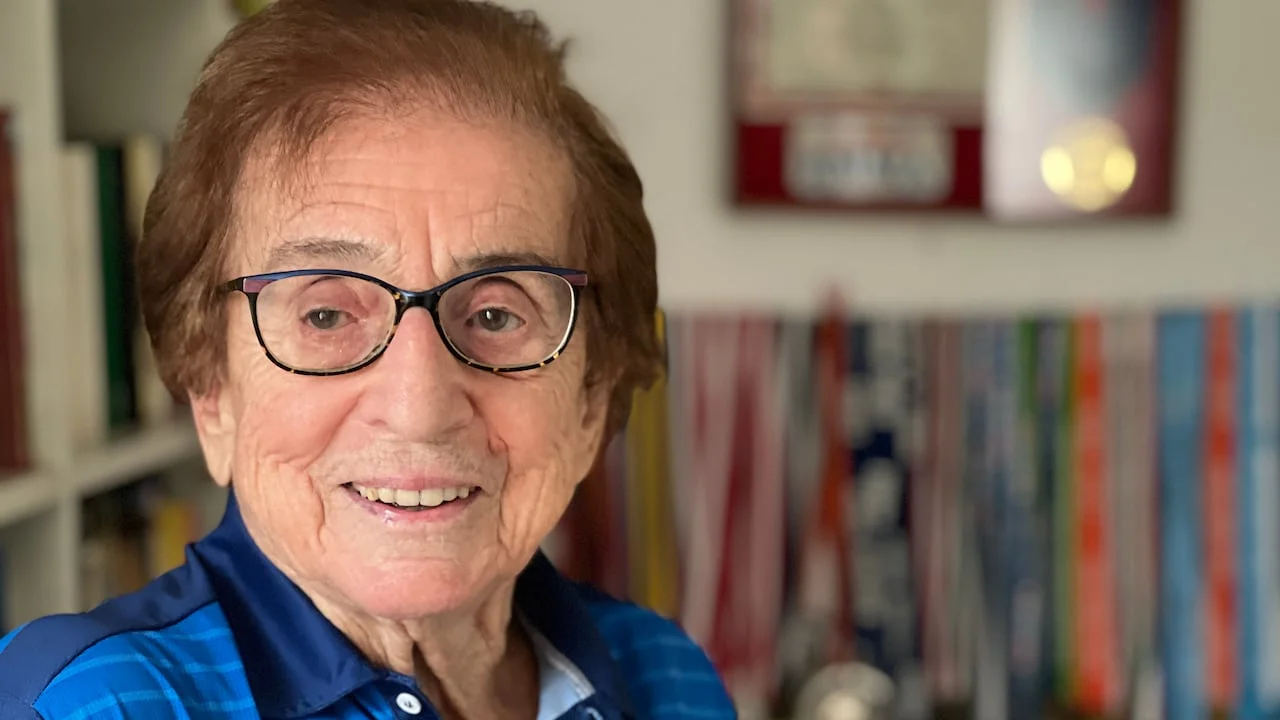
Dr. Suzanne Huurman, hailing from the Netherlands, is making history as the only female chief doctor at the 2026 World Cup. At just 36, she represents Curacao, a nation that previously made headlines as the smallest to qualify for the tournament, facing formidable opponents like Germany in the group stages. Her position not only highlights her individual accomplishments but also shines a light on the broader issue of gender disparity in sports.
A Singular Achievement in Sports Medicine
While her leadership at this prestigious event is groundbreaking, Huurman stands out not just as a pioneer but as part of a smaller narrative. Apart from Dr. Silja Schwarz, who holds a position as a medical doctor for Germany's men's national team, Huurman is the only female medical professional participating in the tournament. Throughout the World Cup's history, she is only the third woman to serve in any medical capacity for a participating team. These figures bring attention to a persistent imbalance, not just in football but across sports, where women are significantly underrepresented in decision-making and medical roles.
The implications of this underrepresentation extend beyond mere numbers. Female representation in sports medicine is crucial for a more inclusive environment in professional sports. Traditionally, this area has been dominated by men, which can lead to biases in treatment protocols and player management. A diverse medical team can contribute different perspectives, potentially enhancing performance and player welfare. Dr. Huurman's presence at such a high-profile event is both symbolic and impactful. It raises questions about not only the current state of affairs but also the future direction of the field.
The Challenge of Gender Dynamics
The underrepresentation of women in elite sports medicine is a complex issue rooted in the male-dominated culture of the field. Huurman articulates this challenge: "It's not about a lack of qualified female doctors; the ratio shifts dramatically when you reach elite sports medicine." She highlights that the majority of her peers in medical school were women, underscoring the systemic barriers that persist in professional sports. “You have to prove yourself repeatedly, gaining acceptance within a culture that often dismisses your capabilities based solely on gender,” she notes. “I've faced countless objections simply because I’m a woman." It’s this relentless determination that parallels her professional journey and signals a broader need for cultural transformation.
If you're working in this space, this insight is especially relevant. The obstacles Huurman cites are often mirrored in other professional sports environments, where the initial rejection is rooted less in one’s qualifications and more in outdated, gender-biased perceptions. This kind of resistance can stifle talent and prevent organizations from realizing their potential by not fully embracing a diverse workforce. Navigating this landscape demands not just personal resilience but a systemic overhaul to ensure equal opportunities.
Commitment to Excellence
While she confronts these challenges head-on, Huurman prefers to focus on her responsibilities and the quality of her work. "I prefer not to highlight my unique position within the team," she explains. "What matters most is my capacity as a doctor. Each day, I strive to deliver optimal care and preparation for the players." Acknowledging the inequities she faces, she emphasizes that this is an industry-wide challenge. "There's a level of unfairness in sports, but as professionals, we can only demonstrate our capabilities and worth."
FIFA has introduced policies requiring women’s teams at tournaments to include at least two female staff members, one of whom must hold a leadership position. However, no similar measures have been applied to men’s teams, where male dominance persists across various roles. This disparity raises questions about whether such policies will effectively lead to a more balanced representation or if they'll merely constitute tokenism without real change.
Huurman states, "The initial obstacle for women in football is acceptance—regardless of how impressive your resume might be, being a woman presents inherent challenges." Acceptance often comes only after they demonstrate their expertise and competence. "It's not until they observe your skills in action that attitudes can begin to shift," she adds. This isn’t merely a matter of personal experience but reflects a systemic issue that needs addressing if sports medicine hopes to evolve.
Looking Ahead: Encouraging Change
The journey towards gender parity in sports remains a distant goal, yet there are positives to note in other athletic arenas. Recent insights from ISAKOS (the International Society of Arthroscopy, Knee Surgery and Orthopaedic Sports) reveal a commendable rise in the number of female medical professionals, rising from about 19% at the 2012 London Olympics to roughly 32% at the 2024 Paris Games. This increase suggests a growing recognition of the value that women bring to the field and the gradual melting of long-standing biases.
Reflecting on the progress, Huurman expresses her hope for the future, saying, "I anticipate more female doctors at the next World Cup. Change is on the horizon; we see it taking place in other sports, though football has a long way to go.” This future vision also provokes further questions about the role of organizations. Will they continue to facilitate an environment that nurtures female talent, or will complacency set in?
By breaking barriers, trailblazers like Huurman and Schwarz are challenging the traditional norms of football, proving that talent and competence transcend gender. Alongside them, figures such as American referee Tori Penso illustrate an ongoing evolution, holding authority in pivotal roles during significant matches. This is more significant than it looks; they set precedents that could inspire future generations of women in sports across all sectors.
The Significance of Progress
The story of Dr. Huurman is emblematic of the broader societal shifts necessary for true equity in sports. Her presence not only uplifts those around her but might also pave the way for future generations of female professionals. The changes taking place, gradual as they might be, signal a collective movement towards inclusivity that can transform sports culture entirely. The ongoing struggle for representation highlights the importance of participation, acceptance, and recognition in creating an environment where everyone can thrive.
Thomas Klein conducted the interview for this article.
Edited by: Carla Bleiker