Iran is navigating a complicated path toward economic stabilization following a devastating four-month conflict with the United States and Israel. The war not only exacerbated existing economic hardships but also inflicted serious damage on its infrastructure and caused oil exports to drop dramatically.
The Iranian economy, already burdened by years of sanctions tied to its nuclear activities, contracted by an estimated 10% amid the conflict. The interim period immediately prior to the conflict saw inflation soar to nearly 50% with acute shortages of essential goods affecting everyday life.
Key to Iran's hoped-for recovery is a recently signed memorandum of understanding (MOU) from June 17, which grants temporary waivers on U.S. sanctions. This allows Iran to significantly increase its crude oil and refined petroleum exports, a critical source of revenue for the nation.
Ali Vaez, the Iran Project Director at the International Crisis Group, views the MOU as essential for providing Iran with "immediate economic relief," especially as the regime struggled to maintain even essential services before the war. "Even with oil sales to China, they found it challenging to sustain operations," he stated.
These sanctions waivers extend for 60 days and cover key aspects such as shipping, insurance, and banking, which previously hindered Iran's ability to engage in regular oil trade. Analysts believe the deal could allow Iran to earn about $8 billion in oil revenue during this period, marking a critical rebound just as exports had fallen to a mere 64,000 barrels per day under strict naval restrictions.
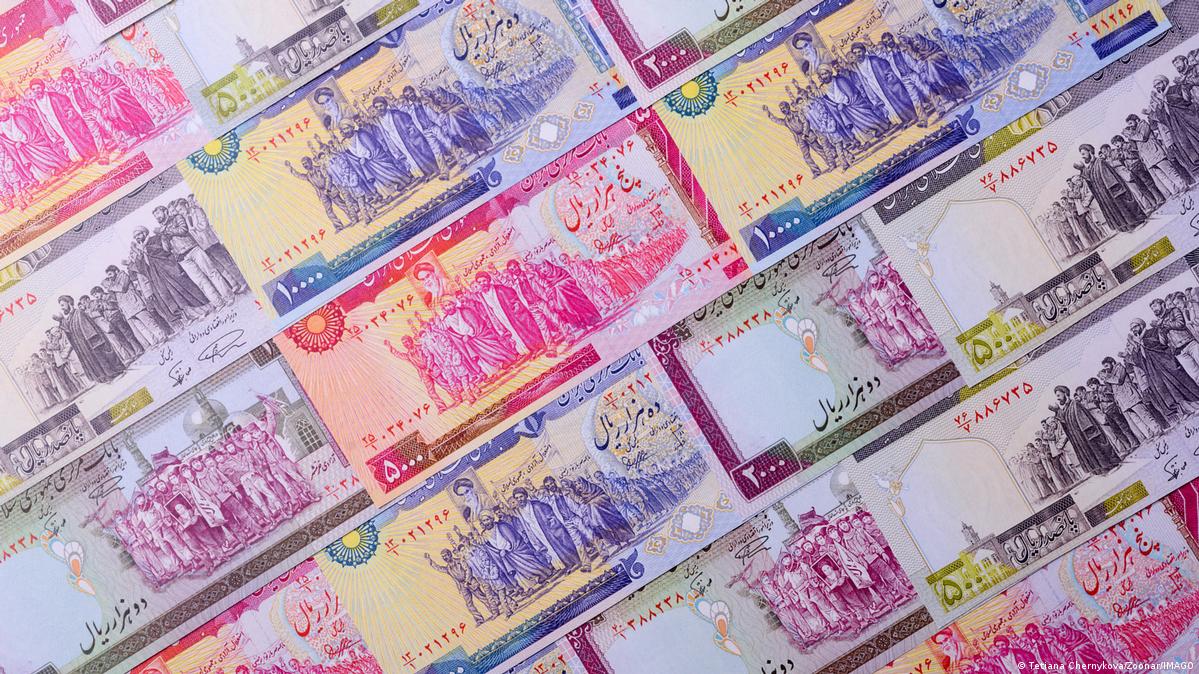
Rebounding Oil Exports
Before the waivers were implemented, Iran had already devised ways to circumvent sanctions, relying on a clandestine network of tankers and discounting its oil, primarily to China. Yet, the conflict still limited those exports; they fell drastically due to the U.S.-enforced blockade, with estimates showing around 36 million barrels shipped since mid-June.
This renewed sanction relief allows Iran to sell oil at improved prices rather than the excessively discounted rates previously imposed, meaning it can capitalize on better market conditions. The MOU also eases previous banking constraints, which should facilitate access to revenues that had been inaccessible due to strict financial regulations.
Challenges Ahead: Accessing Frozen Assets
Despite the progress, accessing frozen Iranian assets, estimated at over $100 billion held across global banks, remains a significant hurdle. The MOU indicates some flexibility, with Iran vying for phased access to approximately $24 billion. However, U.S. officials emphasize that any effective transfer will hinge on Iran's compliance with the terms agreed upon.
The anticipated economic gains from these frozen assets may seem substantial, but many analysts question their actual impact on Iran's recovery trajectory. "A release of $24 billion won't single-handedly revive the economy," Vaez cautioned.
The Reconstruction Fund's Stringent Conditions
Looking further ahead, a proposed $300 billion reconstruction fund tied to Iranian compliance with various stipulations, including reductions in nuclear activity and support for militant organizations, could provide much-needed assistance but comes with significant caveats. Initial proposals for direct reparations were rebuffed by the Trump administration, which led to the consideration of this fund—backed primarily by Gulf states.
This fund will likely not be a straightforward financial boost; it will necessitate specific project financing, like infrastructure improvements, and it's unclear if trust can be rebuilt sufficiently for Gulf nations to engage meaningfully with Iran in this context.
Hence, both the U.S. and Iran will need to navigate these evolving circumstances carefully. The first phase of the MOU will serve as a critical test case, providing insights into whether negotiations can evolve into a more comprehensive agreement. "Without genuine U.S. action on sanctions relief and regional policy, there’s little incentive to push forward," Vaez noted, indicating the fragility of any progress made so far.