Montreal's Trudeau Airport faced operational delays on Thursday evening due to an incident involving an Air Canada flight that resulted in the temporary closure of one of its runways. This type of disruption isn't uncommon in busy airports, yet it raises questions about operational protocols and emergency responses. Flight AC774, arriving from Los Angeles around 4 p.m., came to a halt after exiting the taxiway post-landing, highlighting the potential dangers that accompany air travel.
According to Air Canada, the Boeing 737 Max, carrying 156 passengers and six crew members, landed without incident before experiencing a "runway excursion," veering off into a grassy area. While this outcome is better than many alternatives in aviation mishaps, emergencies like this serve as reminders of the inherent risks passengers face. Fortunately, no injuries were reported among those onboard, which is often a silver lining in these types of incidents.
By 7:45 p.m., all passengers and crew had been safely evacuated from the aircraft and transported to the terminal by bus. Air Canada announced it would tow the plane for a full inspection and has initiated an internal investigation, coordinating with relevant authorities to determine what went wrong. This approach is standard in such scenarios as it helps identify any operational flaws that could lead to similar incidents in the future.
Passenger Reactions to the Incident
Barbara Edelston Peterson, a passenger on the flight, shared her unsettling experience during a live interview from the airport. She recalled the moment the plane touched down, stating, “We were going very fast and suddenly there was a big smoke smell and the next thing I knew, we were tumbling on the grass.” This chaotic scene undoubtedly added to the anxiety experienced by all onboard. In moments like these, the human element of air travel becomes vividly clear.
Peterson emphasized the uncertainty among passengers during the incident, wondering if the plane would explode. This reaction isn’t merely sensational; it reflects a common fear in aviation disasters. Moreover, she described feeling fear as smoke and dirt obstructed her view outside, a detail that underscores not just the panic of the moment but the psychological toll such experiences can have on passengers. Fortunately, the crew handled the aftermath professionally, as she described them as a "class act" under distressing circumstances. Passengers remained on the plane for approximately three hours before being allowed to leave, which is a significant amount of time when uncertainty hangs in the air.
Operational Impact on the Airport
The temporary runway closure led to approximately 30 minutes of delays for both domestic and international flights. Flights bound for the United States faced longer delays, lasting between 45 minutes to an hour. Although this might sound tolerable in the world of air travel, every minute a plane sits on the tarmac can lead to cascading issues throughout a busy airport's schedule. However, the airport reported that there were no flight cancellations due to the incident, a testament perhaps to the efficient management systems in place.
Nav Canada, which oversees the country's civil aviation system, implemented traffic management measures including a temporary ground stop and flow restrictions to manage arrivals and departures safely. These kinds of interventions are vital for maintaining order and safety in potentially chaotic scenarios. The organization also noted that adverse weather conditions were contributing to operational challenges, adding another layer of complexity to an already tense situation.
The runway reopened shortly before 10 p.m., but travelers had already been advised to check flight schedules beforehand. This type of advice is standard practice in the aviation industry, yet it seems that many passengers are still caught off guard during disruptions.
The Transportation Safety Board of Canada has also initiated a formal investigation into the incident, with investigators deployed to gather information and assess the situation. These investigations can take time and often reveal insights that improve safety protocols across airlines. While they might not offer immediate relief to those affected, they represent a necessary diligence in aviation safety and regulation.
WATCH | Incident Video:
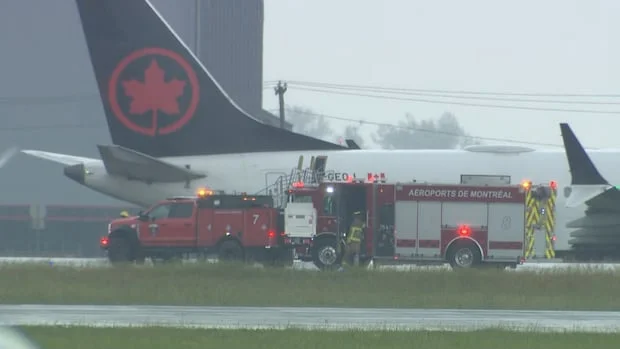
Montreal airport closes runway after plane veers off after landing, no injuries
Future Outlook and Significance
The unfolding investigation and its outcomes will be significant in understanding what led to this incident, emphasizing the importance of passenger safety in air travel. If you're working in this space, you might view these types of incidents as a wake-up call for airlines and airports alike. Every incident, regardless of severity, presents an opportunity for improvement and increased vigilance.
Beyond the immediate operational concerns, this event raises broader questions about regulatory oversight. Safety standards for aircraft have tightened over the years, but each incident has the potential to push those standards further. Investigators will likely scrutinize factors such as pilot training, aircraft maintenance, and ground management systems, all critical points in preventing similar events.
For passengers, this incident serves as a stark reminder of the unpredictable nature of air travel. Their reactions reflect real fears surrounding safety, and airlines must remain aware of this sentiment. How air carriers respond in the aftermath can significantly shape public perception, affecting trust and customer loyalty.
In a sector where customer experience and safety are paramount, the implications of this incident can ripple far and wide. Airlines might enhance their training protocols or adopt new safety measures as a direct response, showcasing their commitment to passenger safety. The scrutiny that follows an incident like this isn't just about accountability—it's about setting a precedent for what comes next.