Most lithium batteries are safe. The failures are hard to ignore.
Lithium batteries power phones, power banks, e-bikes, vacuums, drills and plenty of other devices we charge at home. Fires are serious and increasingly reported: more than 1,500 lithium battery fires occurred in communities across Canada last year, according to a CBC report on lithium battery fires. That number deserves attention, but it doesn’t mean every battery is a hazard. The scale helps put the risk in perspective. Vinny Gupta, an assistant professor of fire safety engineering at the University of Waterloo, says manufacturers now produce more than 10 billion battery cells each year, while safety problems involve only a small share. The trouble is that when a battery does fail, the fire can be dramatic. Gupta studies those failures by deliberately triggering them. Consumer batteries typically include safeguards such as temperature sensors, pressure relief valves that vent potentially flammable gases, and systems to prevent overcharging. Batteries are designed to stop charging automatically, but that protection doesn’t make them immune to damage or wear. Here’s the thing: a battery that has worked safely for years can still become risky.Damage can be hidden
A manufacturing defect can create a problem, as can an accident. David Giles, CEO of Halifax-based battery monitoring company TempAlert, says a collision involving an e-bike or e-scooter can damage a battery. Even dropping a phone may cause internal damage that isn’t visible: a cracked screen is obvious; a compromised battery may not be.
Watch for heat, but don’t expect a precise countdown
A failing battery usually doesn’t burst into flames without warning. It can begin to heat up during charging, then cool after it’s unplugged. Gupta calls unusual warmth the earliest indication of a problem. Giles says the pattern may recur before the battery stays hot even when disconnected. How long that progression takes is unclear. Gupta says it depends on what’s happening inside the battery, and that self-heating can accelerate exponentially once it begins. Giles says the window could stretch across days or weeks of charging and use—or shrink to 20 minutes. That uncertainty makes warning signs useful, but they can’t tell you exactly how much time remains.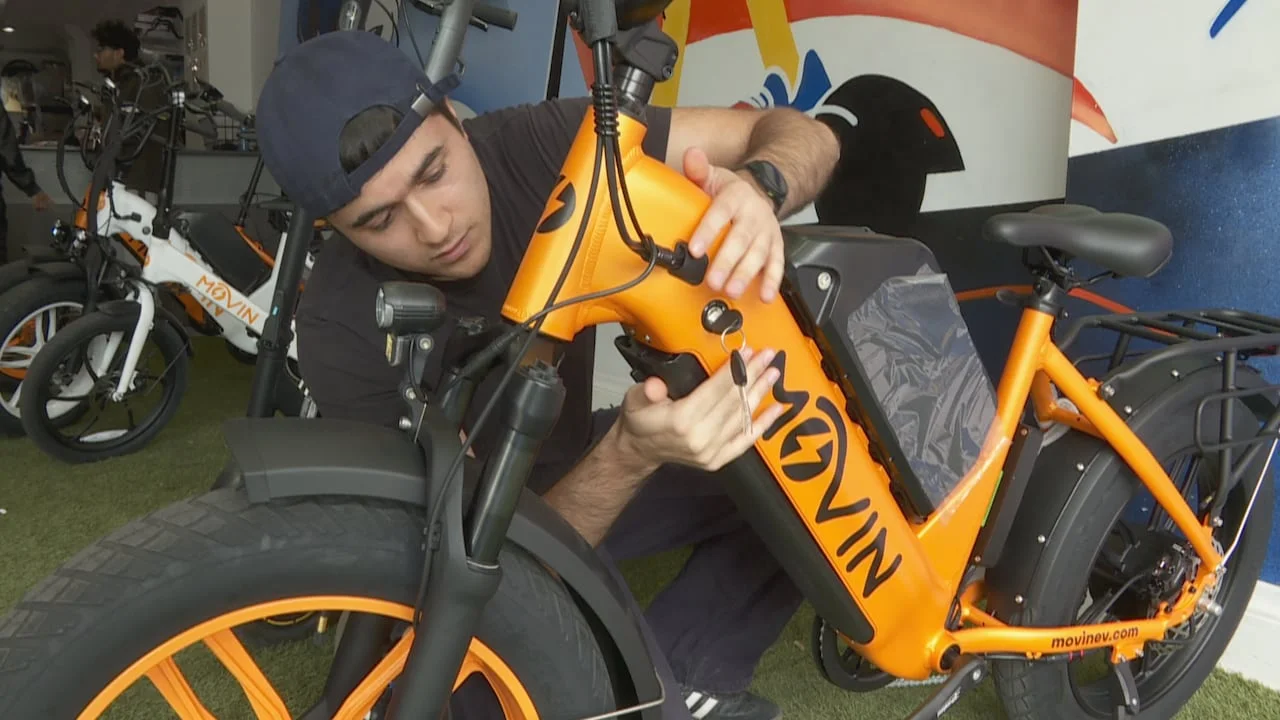
Battery chemistry doesn’t offer a simple safety ranking
The two most common lithium battery chemistries are NMC, or nickel manganese cobalt, and LFP, or lithium iron phosphate. Some readers suggested that LFP is less combustible and less prone to overheating. Gupta says it’s difficult to call either chemistry safer overall; each comes with trade-offs. LFP is less energy-dense and reaches thermal runaway at a higher temperature—about 235 C, compared with about 200 C for NMC. It also releases fewer solid battery fragments when overheated. But it releases more gas, which can contain toxic and flammable substances. A chemistry’s advantages don’t erase its hazards.Watch: Regina fire chief offers tips on avoiding battery fires
Lithium-ion batteries power devices from phones and tablets to e-bikes and e-scooters. Regina Fire Chief Layne Jackson advises keeping an eye on devices while they charge. The reminder is part of Regina Fire & Protective Services’ fire-prevention campaign. (Video: 2:11; October 5)
Watch: How do you put out a lithium battery fire?
Firefighters say these fires burn hotter, spread faster and are harder to extinguish than other fires. The video considers what it takes to put one out, including whether copious amounts of water are the answer. (Video: 1:36; October 16)
This article by Emily Chung was published by CBC News on Oct. 31, 2026, at 4 a.m. EDT and updated 11 hours ago. It includes an AI-generated audio version, estimated at seven minutes; the publisher warns that mispronunciations can occur.
Simple precautions matter most
Buy batteries and chargers bearing Canadian safety marks such as CSA, cUL or cETL. Match each battery with its proper charger; a plug that fits doesn’t mean the charger is safe for that battery.
If a battery overheats
Unplug it. If you can do so safely, move it to a non-flammable place such as outdoors, a sink or a bucket of sand. Giles says not to use it or charge it again, even after it cools.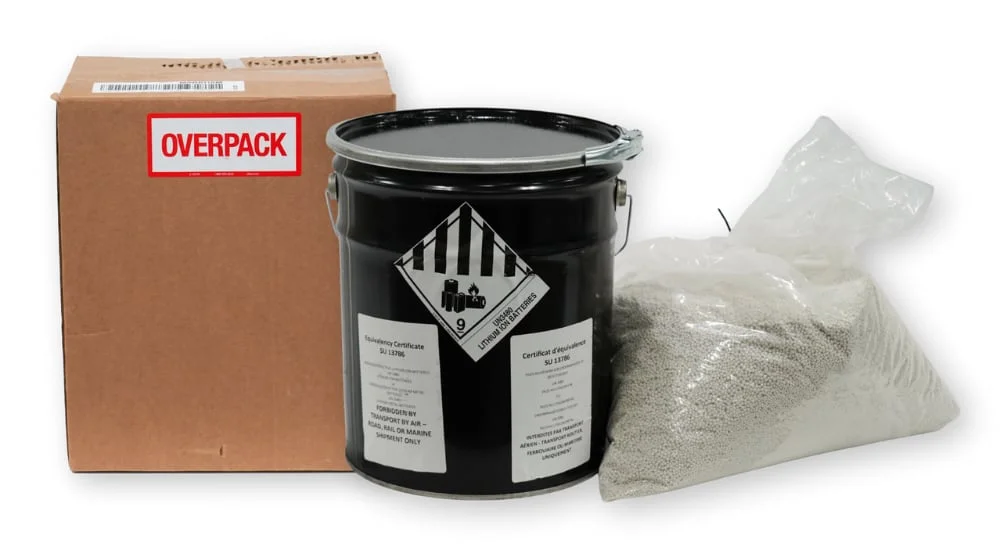
- Which lithium battery devices do you depend on? Questions about charging them? Click “Join the Conversation” below, or on the app, tap here.