The Bank of Canada is trying to get ahead of an inflation risk
The Bank of Canada has raised its benchmark rate by a quarter-point to 2.5 per cent, ending a year of unchanged rates and marking its first increase since 2023. The move is aimed at stopping higher energy costs from spreading into prices across the economy. That’s a meaningful shift in the bank’s judgment: it sees a risk worth acting on even as growth and the labour market remain fragile. Inflation reached 3.1 per cent in September, driven largely by an energy-price surge linked to the war in the Middle East. Governor Tiff Macklem says the increase should limit the chance that expensive oil pushes up the prices of other goods and services. The bank’s rate had held at 2.25 per cent for seven consecutive meetings.A narrow path between prices and growth
Macklem’s case is that the higher rate can cool inflation without choking off expansion. He described the policy rate as still “low enough that it’s not restraining growth,” while saying it should bring inflation back to target “more quickly.” That’s the central bank’s balancing act in one sentence: act against persistent price pressure, but avoid adding too much strain to an economy already facing a weak labour market. The trade-off is real. Higher borrowing costs may help contain inflation, yet they can also weigh on households, businesses and hiring. The available information doesn’t spell out how the bank is weighing those effects against the possibility of another energy-driven price shock. Macklem was asked what the bank hopes to accomplish with its first hike since 2023. He pointed to the complexity of the global economy, especially rising energy prices. The next rate decision is scheduled for Dec. 9.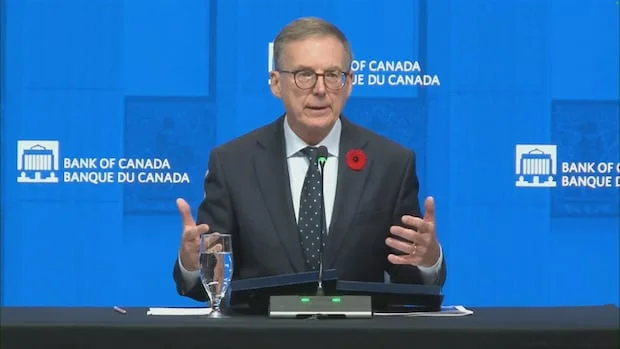
A quarter-point move, with a bigger message
The Bank of Canada’s first rate change after seven straight holds is a hike: its benchmark rate is now 2.5 per cent, up a quarter-point. It’s also the bank’s first increase since July 2023. The move’s immediate effect on borrowing costs matters, but so does the signal: Governor Tiff Macklem says the bank is trying to stop high energy prices from spreading into broader inflation. The bank expects inflation to reach about 3.5 per cent by the end of 2026 and stay at or above 3 per cent for much of next year. Macklem called the increase “needed to reduce the risk that elevated energy prices could spill over and become generalized inflation.” The war in the Middle East has kept oil prices high, though the bank’s forecast doesn’t tell us how much of that pressure will persist. There’s a counterweight. The outlook for growth has edged up, with the economy forecast to expand by 2 per cent next year. Macklem also pointed to 3.3 per cent growth in the second quarter of 2026 as evidence of resilience. But uncertainty around U.S. tariffs and the Middle East conflict still weighs on the outlook. More hikes remain possible. Macklem said the bank will decide “one meeting at a time,” while the Governing Council said it may need to raise rates further and will “proceed carefully” given the uncertainty.Variable mortgage holders feel the increase
For prospective buyers, higher rates add another hurdle. Deputy governor Carolyn Rogers said housing is already under strain, especially in Ontario and British Columbia, and the increase will add to that pressure. Mortgage broker Marcus Tzaferis expects the effect on new buyers to be limited: many Canadians have already opted out of buying. Existing borrowers with variable rate mortgages face a more direct hit. On a $500,000 mortgage, a 25 basis point increase adds about $70 a month to payments on average. That may sound manageable in isolation. It’s harder to shrug off when household budgets are already tight; rising insolvencies are one sign of the strain. Tzaferis said, “To a consumer that's already stretched, these 25 basis point incremental increases are going to have an impact.” For borrowers who want more certainty, Tzaferis says now may be the time to lock in a fixed rate. Those renewing within the next year can also ask about securing a fixed rate early, which he described as “almost like an insurance policy for themselves.” Whether that makes sense depends on the terms available to each borrower.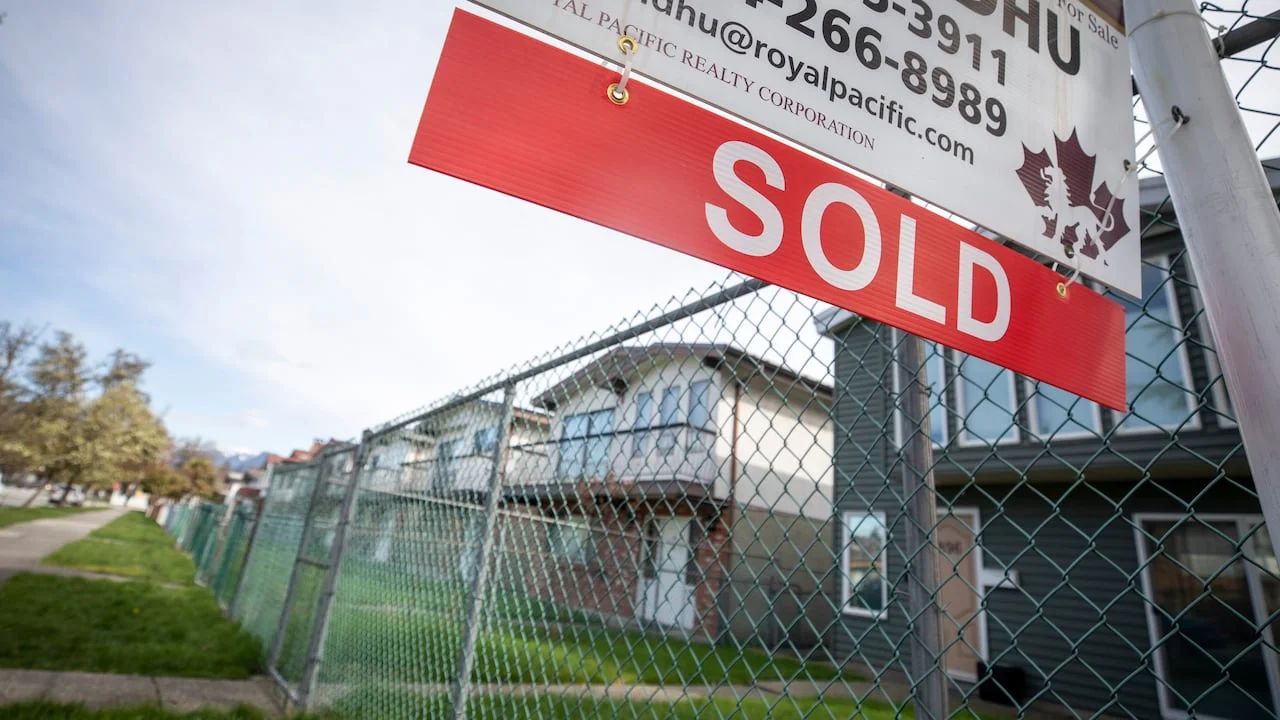
Economist questions the timing
Not everyone thinks the bank had to act now. Pedro Antunes, chief economist at independent research firm Signal 49, argues it could have waited. Last month’s inflation data showed oil had not yet spread into the prices of other goods and services. Overall inflation was 3.1 per cent, but core measures that exclude volatile items such as oil were much lower and within the bank’s target range. “We haven't seen … a broader-based increase in prices, but I think that the bank has started to be concerned about what's coming down the road,” Antunes told CBC News. That concern has a recent precedent. Antunes said the bank is wary of repeating its response to post-COVID inflation, when it was slow to raise rates. He sees the current decision as an effort to get ahead of a possible replay of the 2022 oil shock. “Who can blame them? They're a little nervous about how that might play out.”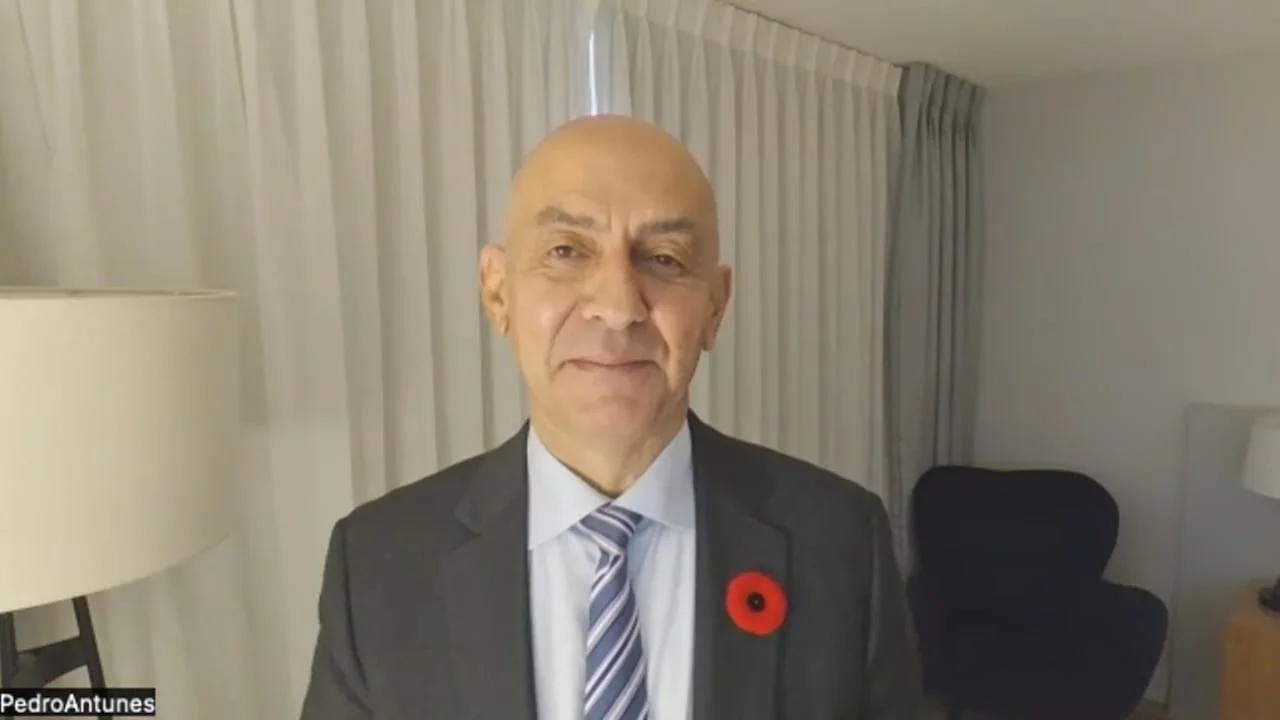
1:50
How a potential interest rate hike could further slow the B.C. real estate market