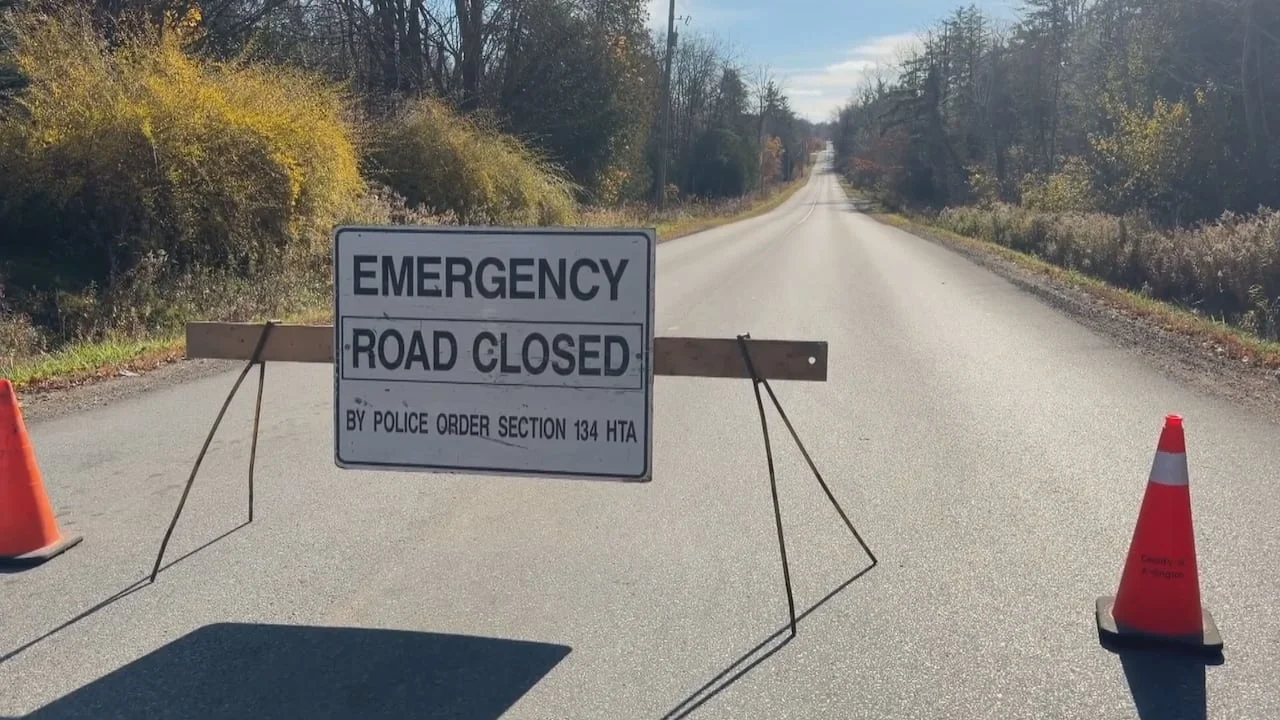
Tennessee faces an uncertain path after Christa Pike survives execution attempt
The failed execution of Christa Pike has left Tennessee with a question its courts may never have had to answer: can the state try to execute someone again after lethal drugs have already been administered? Pike survived two doses of pentobarbital during an attempt to carry out her death sentence. She was left unconscious, put on a ventilator and suffered serious injuries to her arms. She has since returned to prison.
Legal experts say a second attempt could raise constitutional questions, and Pike’s mental capacity may also affect whether she can be executed. “We’re really in uncharted territory about what’s going to happen next,” said Emily Hughes, a University of Iowa law professor who specializes in death penalty cases. The options are complex, she said, and the next steps remain unclear.
Pike, now 50, was sentenced to death for the 1995 killing of her classmate Colleen Slemmer. Pike was 18 when she and her 17-year-old boyfriend, Tadaryl Shipp, and another companion lured Slemmer, a fellow student at a Knoxville Job Corps vocational centre, into a wooded area and killed her. The attack included carving a pentagram into Slemmer’s chest and removing part of her skull as a souvenir.
Pike survived two doses of pentobarbital as officials attempted to execute her by lethal injection. The Death Penalty Information Center says seven people have survived failed lethal injections when staff could not establish IV lines. Pike is the first known person to survive after receiving lethal doses of execution drugs.
Gov. Bill Lee suspended executions in Tennessee for the rest of the year and ordered an independent review of what happened. A judge has also ordered the state to preserve evidence from the attempt. Those steps will shape any investigation, but they don’t answer whether another execution can legally proceed.
Competency could become a central issue
Pike’s lawyers said on Oct. 7 that she could speak but was struggling with memory and concentration. They warned it could take months to determine whether she suffered lasting cognitive harm. That uncertainty matters: courts have barred executions of people with certain intellectual disabilities and of people who cannot understand why they are being punished.
Deborah Denno, a Fordham University law professor and capital punishment expert, said the U.S. Supreme Court has prohibited executing people with certain intellectual disabilities. Denno said the available information does not establish Pike’s intellectual capacity. As an example, she described someone who consistently scores below an IQ of 70 and cannot manage daily tasks such as taking public transportation, counting change or caring for themselves.
There is another competency question: whether Pike understands the punishment and why the state imposed it. “The test there would be whether she’s aware of and understands what the punishment is for,” Hughes said. The record about Pike’s current condition is still developing, so the legal significance of her injuries remains uncertain.
The governor’s decision may change
Lee’s execution pause lasts through the end of the year, but Pike’s longer-term fate could rest with the next governor. Lee’s term ends Jan. 16, 2027, and two candidates are competing to replace him.
Lee could commute Pike’s sentence to life in prison before leaving office. But he rejected her clemency request last month and, according to the Death Penalty Information Center, has never commuted the death sentence of a person in Tennessee scheduled for execution.
Republican candidate Marsha Blackburn has said Pike should face the electric chair and that she would restore it as an execution method if elected. Democratic candidate Jerri Green opposes the death penalty and says she would impose a moratorium.
Could another attempt amount to double jeopardy?
Pike’s lawyers could argue that trying again would violate the Fifth Amendment’s protection against being punished twice for the same offence. Hughes said the state has already subjected Pike to lethal injection, even though she survived. Denno called the argument strong in Pike’s case.
“They get one bite at the apple at punishing you,” Denno said. “They just can’t keep on [trying to execute] you until you die.” That argument has not been resolved, and the facts of Pike’s failed execution could put the courts in unfamiliar territory.
There’s also a basic practical question: what will the investigation show about how the first attempt unfolded? The state’s review and the preserved evidence may matter as much as the constitutional arguments if Tennessee considers another attempt.
Related coverage
- Emergency medical help for Christa Pike was delayed due to confusion, 911 tapes reveal
- Christa Pike discharged from hospital after surviving execution attempt, attorney says
- Christa Pike on ventilator after surviving Tennessee execution attempt, lawyer says



Watch: Botched 911 call: How the failed Christa Pike execution got worse | About That — Andrew Chang examines dispatch audio that shows confusion among emergency responders and prison officials delayed care. The video is dated October 14 and runs 2:57. Images provided by The Canadian Press, Reuters, Adobe Stock and Getty Images.
Watch: Christa Pike’s lawyers demand answers, transparency over botched execution
What the courts may decide
The central legal question is whether Tennessee can try again after Christa Pike survived the execution attempt. The state could argue that, because Pike remains alive, a second attempt would not amount to double jeopardy, said Hughes. Her lawyers could counter that repeating the procedure would violate the Eighth Amendment’s ban on cruel and unusual punishment. Denno said courts consider whether an execution method poses a substantial risk of severe pain. In Pike’s case, she said, there is already extensive evidence of that risk. Hughes said the defence could argue that using the same method again would expose Pike to the same harm. The implications reach beyond one case. “If the method itself is so unsure, so unreliable, then maybe that's indicating that our system of death penalty is broken,” Hughes said, adding that the response may need to be a pause or an end to executions.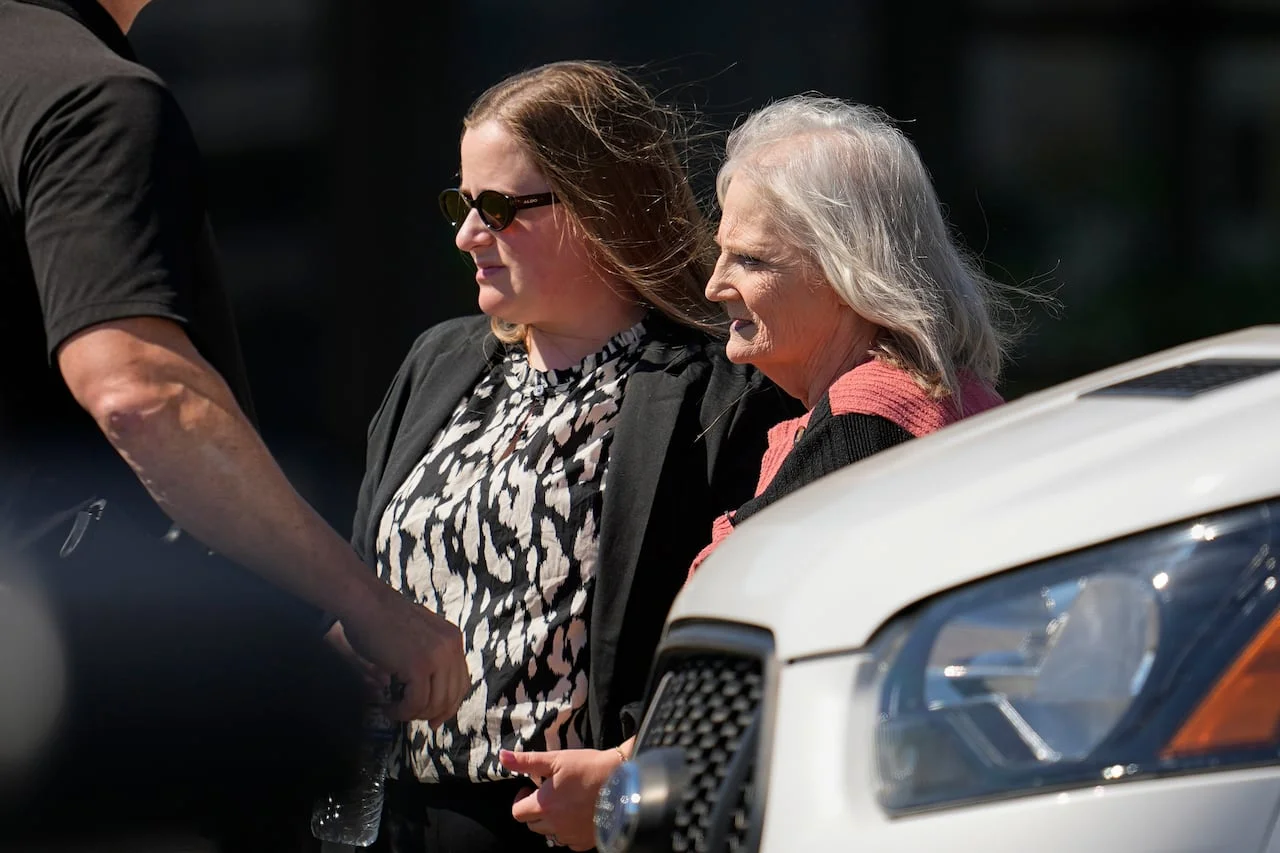
May Martinez, left, mother of murder victim Colleen Slemmer, leaves Riverbend Maximum Security Institution during a stay of Pike’s planned execution in September, in Nashville, Tenn. (George Walker IV/The Associated Press)
There is precedent for the state’s position. Hughes cited Willie Francis, a 17-year-old whose 1946 execution in Louisiana failed when the electric chair malfunctioned. The U.S. Supreme Court allowed Louisiana to try again, ruling that a second attempt would violate neither the Fifth nor the Eighth Amendment and observing: “Accidents happen for which no man is to blame.” But Hughes said Pike’s lawyers can argue that legal standards have changed since then. The defence may ask courts to apply what the law calls “evolving standards of decency” and conclude that subjecting someone to another attempt after such an ordeal is unacceptable. The Francis ruling shows that a failed execution does not automatically bar a second one; whether courts still find its reasoning persuasive is another matter.