Ten authors and 23 poems are featured in the anthology
Originally published on Global Voices
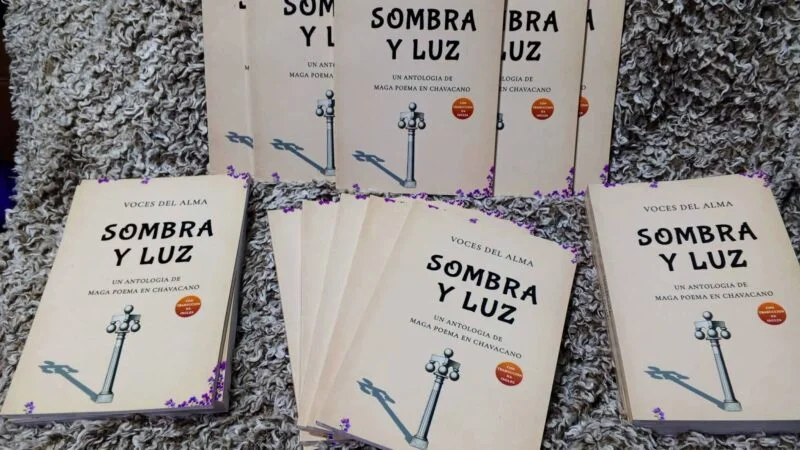
Photo from the Facebook page of Voces del Alma. Used with permission
Celebrating Chabacano Literature
The new anthology “Sombra y Luz” brings forth the poetic talents of Chabacano writers, distinguished by its status as Asia’s only Spanish-based creole language. This collection, launched in July, includes 23 poems authored by ten writers who delve into themes of love, family, and Zamboangueño identity. Each poem contributes to a rich tapestry that captures the unique cultural moments of Zamboanga, surrounding the historical context that gave birth to Chabacano — a language formed from contact between Spanish colonizers and local populations.
The anthology isn't just a compilation of poetry; it's a statement about the cultural significance of Chabacano. It emphasizes how this language continues to serve as an emotional and expressive conduit for those who identify with its heritage. While many languages face decline, Chabacano illustrates the resilience of a community actively engaging with its past and present.
Jerome Herrera's Vision
Jerome Herrera, the driving force behind this project and the creator of Bien Chabacano, expressed that the anthology underscores the vitality of Chabacano as a literary medium. His initiative aims to document and promote this unique cultural language, which emerged in the Philippines during Spanish colonization. In light of ongoing globalization pressures, establishing a literary canon for Chabacano can help counteract cultural erosion.
“This project highlights the ongoing vibrancy of Chavacano as a literary language and the efforts to preserve it through new works,” Herrera stated.
Herrera’s commitment is rooted in a broader trend among minority languages. Various groups worldwide seek to document and celebrate their native languages through literature, especially when rapid modernization threatens to overshadow them. By showcasing Chabacano's poetic forms, Herrera pushes back against historical narratives that have marginalized creole identities across the globe.
Artistic Expression and City Identity
The anthology’s title captures a poignant juxtaposition that evokes the changes in Zamboanga City over time, with the cover art also serving as a nostalgic nod to the past beauty of the city. The cover features a lamppost reminiscent of the American colonial era along with bougainvilleas that once flourished in Zamboanga, known then as the "Ciudad de Flores." This visual framing offers readers a glimpse into the cultural history that intersects with the language itself.
“The cover emphasizes the flowers that my father recalls being abundant in Zamboanga City,” noted Herrera.
It's a powerful artistic choice that resonates deeply with the community. The lamppost image represents a fusion of past governance and contemporary aspirations. This serves more than just aesthetic purposes; it acts as a reminder of the layers of history embedded in everyday life and culture. Each poem within the anthology further enshrines this theme, celebrating not just the language but also the environment and life experiences that shape it.
Exploring Linguistic Dynamics
An interesting aspect of the anthology is the diverse use of Spanish vocabulary in the submitted poems. Herrera pointed out a division among writers about how to incorporate Spanish words, with many opting for a formal style that echoes traditional poetry. This linguistic dynamic is emblematic of broader conversations around identity that multilingual and multicultural societies often engage in.
“The challenge is to embrace various manifestations of Chabacano,” he noted, highlighting the need for flexibility in its literary presentation. Some prefer a heavier Spanish influence while others champion a more authentic conversational style.
Such artistic choices aren't trivial; they reflect a deeper struggle over identity and representation. Writers who opt for a more traditional style may do so to honor the historical roots of the language, while those who lean toward a conversational approach may wish to mirror the spoken word, which feels more accessible to contemporary audiences. This is more significant than it looks, as it opens a dialogue about how language evolves and incorporates influences from diverse sources.
Encouraging Diversity in Chabacano Writing
Through the anthology, Herrera hopes to open dialogues about Chabacano literature, encouraging acceptance of multiple writing styles. This is pivotal, especially since a narrow definition of Chabacano often hampers its development. Many writing communities thrive on diversity, and restricting language to rigid formats stifles creativity.
“People have often confined Chabacano to a narrow definition. I want this collection to provoke discussions that broaden the appreciation for diverse Chabacano writing,” he emphasized.
Those discussions can lead to a greater acceptance of new voices and styles within Chabacano poetry. If you're working in this space, understanding this dynamic can inform how you view the evolution of literary traditions in minority languages. It's an essential aspect that continues to shape community identity and representation.
Future Outlook for Chabacano Literature
One standout piece, “Escribi Chavacano, Conversa Chabacano,” pays homage to the liveliness of the language, referencing its poetic heritage amid the everyday stories that keep it alive. This poem knits together the threads of Chabacano’s past with its present, revealing how language is not static but a living, breathing form of communication.
The author reminds readers that Chabacano thrives when it’s written and spoken, echoing the ongoing call for preservation of its rich literary tradition.
In discussing the future, Herrera acknowledged the difficulties in finding contributors who engage with Chabacano poetry. The challenge isn't unique; many minority languages struggle with producing new literature as cultural transmission changes, often through younger generations who may not prioritize their heritage languages.
“Maintaining momentum is tough simply because Chavacano poets are few. Still, I believe this anthology is merely the beginning; I aspire to publish a second volume down the line,” he remarked.
This vision for a second volume signals hope. It suggests that the initiative is still in its infancy, aiming to capture not just the voices of today but to inspire future generations. As more poets engage with their cultural roots, the potential for a richer body of Chabacano literature grows, possibly transforming how the language is perceived and valued in broader artistic and cultural dialogues.
Implications for Cultural Heritage and Identity
The launch of “Sombra y Luz” signifies more than just a literary effort; it embodies a growing movement to reclaim and revitalize cultural heritage through language. This anthology reinforces the notion that literature is key to sustaining a culture’s vibrancy. In a world where many languages are at risk, the successful advocacy shown by Herrera and contributing writers could serve as a model for similar initiatives globally.
As the readers engage with this anthology, it invites a reconsideration of how language reflects not only personal identity but also collective memory. The dialogues sparked by diverse Chabacano poetry can foster solidarity among speakers and broader appreciation among those unfamiliar with the language. Engaging with Chabacano literature isn't merely about reading poems; it’s about recognizing a vital cultural narrative crucial for understanding Zamboanga and its people.
This anthology has opened a door. What this means for you—is that engaging with and promoting the voices within can lead to a growing awareness and acceptance of cultural plurality. As Herrera looks to the future, so too does the hope for a renewed enthusiasm in Chabacano poetry, ultimately benefiting both the language and its speakers.


