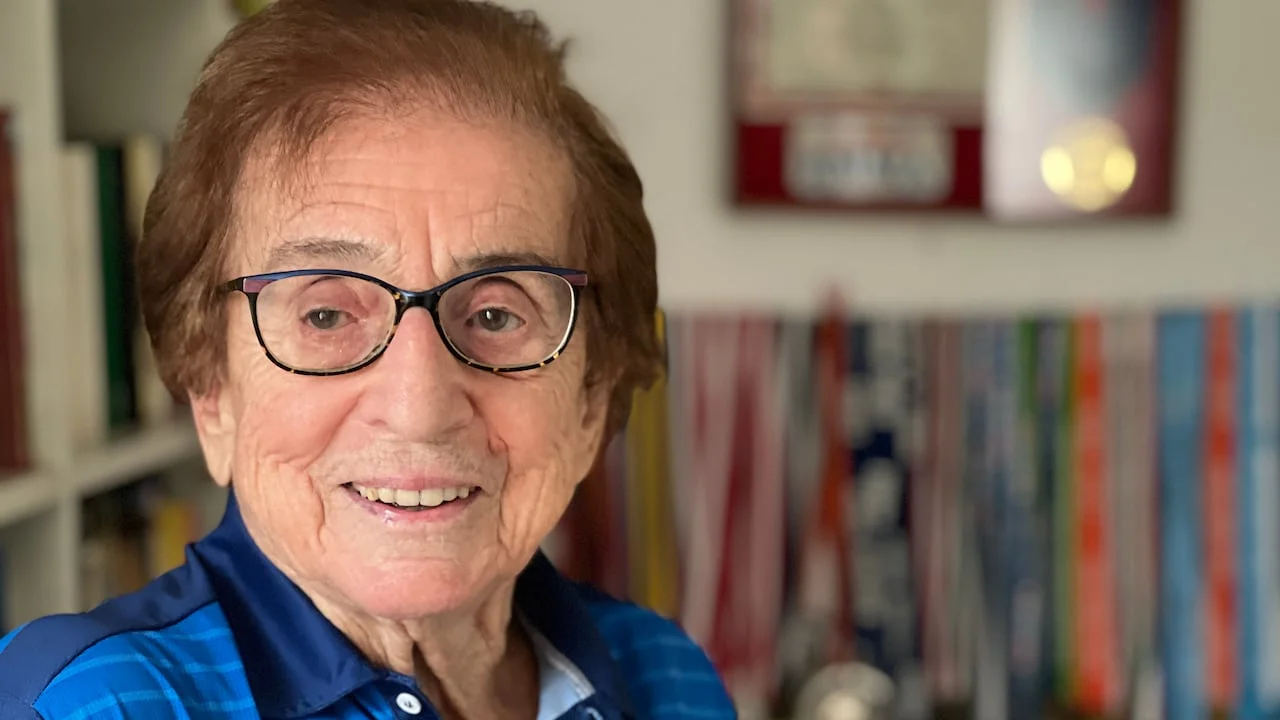
Hayden Panettiere's untimely passing at 36 highlights her talent and personal struggles, leaving a lasting impact on fans and the entertainment industry.
A Life Cut Short: Remembering Hayden Panettiere
Hayden Panettiere’s sudden passing at the age of 36 has reverberated through both the entertainment industry and her legion of fans. Known for her roles as the super-powered cheerleader in *Heroes* and a resilient country singer in *Nashville*, she was not only a celebrated actress but also a figure who openly grappled with her personal struggles in public. Her death, which authorities reported occurred in her apartment in Greenville, South Carolina, is currently under investigation, with initial findings indicating no foul play.
Panettiere's career began to flourish at an early age. She voiced Dot in *A Bug's Life* and gained fame with *Remember the Titans* and *Scream VI*. The role that truly launched her into the spotlight, however, was her portrayal of Claire Bennet in *Heroes*, which began airing in 2006. The show’s tagline, “Save the cheerleader, save the world,” became iconic, symbolizing not just the narrative but also Panettiere's star power.
Tragically, behind the scenes, Panettiere faced demons that would haunt her throughout her life. In her candid memoir, *This Is Me: A Reckoning*, she reflected on her struggles with addiction and mental health, openly discussing her experiences with postpartum depression following the birth of her daughter in 2014. Her father, Skip Panettiere, described his daughter as “an incredible light” whose existence brought immense joy to those around her.
The outpouring of grief from her colleagues reveals the deep impact she made both personally and professionally. Voice from across the industry, including Viola Davis and David Arquette, have shared their tributes, emphasizing the remarkable talent that Panettiere was during her time on Earth. Davis poignantly noted her sadness in response to the news, wishing for more time to witness Panettiere's ongoing evolution as a person and artist.
The circumstances surrounding her death remain murky. Despite an autopsy revealing no signs of trauma, many are left wondering what led to such a tragic outcome. It’s a sobering reminder that the glamor of Hollywood can often mask profound struggles that lie just beneath the surface. As details continue to unfold, the legacy of Panettiere’s work and her willingness to confront her challenges head-on in the public eye will be remembered fondly by many.
Reflections on Her Roles and Struggles
Throughout her career, Panettiere’s exploration of complex characters resonated deeply with audiences. In *Nashville*, she displayed a multifaceted portrayal of a rising country star, singing her own songs and earning Golden Globe nominations. This series showcased not only her acting chops but also solidified her as a legitimate musical talent with 11 songs charting on Billboard's Hot Country Songs during its run.
Yet, her personal life was shadowed by difficulties, including a strained relationship with her mother, which she detailed in her memoir. The turmoil in her familial relationships was complicated further by her addiction issues, with Panettiere admitting to entering rehab in 2015 while still working on *Nashville*. She fought valiantly to reclaim control over her life, a process that was fraught with ups and downs.
Even as she shared her journey, she also recognized the complexities of fame, noting in an interview how she initially viewed her rise as a young actress with excitement but quickly found it overwhelming. The pressures of public life took a toll on her, making her struggles all the more relatable to her audience.
As tributes flood in and memories resurface, one hopes Panettiere is remembered not only for her artistic contributions but also for her courage to share an unvarnished look at her life. In a world enamored with perfection, her authenticity became a beacon for many who shared similar battles.Final Thoughts and Industry Implications
As we close in on this conversation, the impact of public figures like Hayden Panettiere confronting personal struggles cannot be overstated. Their candidness has the power to reshape narratives surrounding mental health, service startups, and the toll of celebrity life. When someone as beloved as Panettiere shares their journey, it opens doors for wider discussions and decreases stigma—a move that the tech and entertainment industries can’t afford to ignore moving forward.
However, while the outpouring of support is heartwarming, it also raises questions about the structural issues within these sectors. For instance, the recent lawsuit against Selena Gomez regarding her mental health startup not only shines a light on the pressures of being in the public eye but on accountability in emerging mental health services. If you're navigating this space, you might consider how these personal stories intersect with business ethics and consumer trust.
Panettiere’s emotional transparency on platforms like Shetty’s podcast shows the necessity for empathetic discourse. Yet, we must also focus on what lies beneath the surface. The emphasis on mental health in entertainment can often gloss over the systemic challenges that continue to affect many. It’s essential that as we celebrate these breakthroughs, we remain critical of the broader context of service frameworks that claim to support mental wellness.
Ultimately, the dialogue ignited by these high-profile cases signals a meaningful shift. But embracing this change means fostering genuine dialogue and not just an emotional soundbite. If you're involved in tech or media, think about how your work can contribute to a lasting, impactful change rather than a fleeting trend. What we need now is a commitment to real solutions that ensure that our discussions around these issues lead to actionable outcomes. Let’s be clear: it’s not just about celebrity struggles; it’s about collective responsibility.